From protest to prison: Molotov attack during LA anti-ICE protest lands Mexican national 4 years behind bars
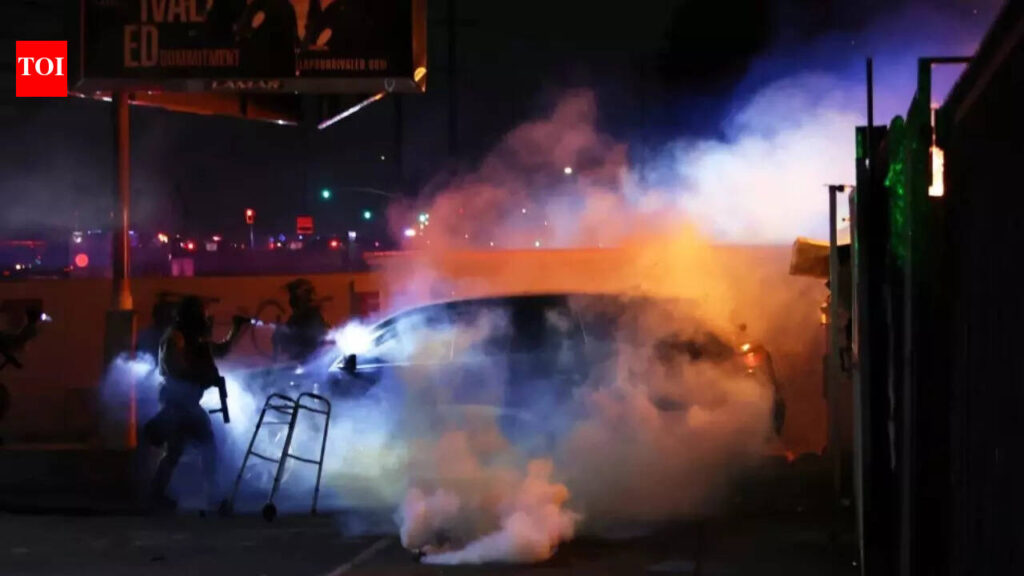
A US federal court has sentenced a 23-year-old man to four years in prison for throwing a Molotov cocktail at law enforcement officers during protests against Immigration and Customs Enforcement (ICE) in the Los Angeles area last year. Emiliano Garduno Galvez, a Mexican national who authorities say is living in the US without legal status, pleaded guilty to possessing an unregistered destructive device and interfering with law enforcement during a civil disorder. The incident took place on June 7 in Paramount, near Los Angeles, amid widespread protests against federal immigration enforcement operations.According to court records, sheriff’s deputies were responding to a large protest outside a Home Depot where US Border Patrol agents had assembled. While many demonstrators were peacefully chanting and carrying signs, authorities said some individuals began throwing rocks and other objects. Prosecutors said Galvez went behind a wall, lit an improvised incendiary device and hurled it toward deputies on the other side.The Molotov cocktail did not strike any officers, but landed in a grassy area close to both deputies and a civilian protester. Federal prosecutors stressed that the device was capable of causing serious injury or death, arguing that its proximity to bystanders highlighted the danger posed by such actions.In a statement, First Assistant US Attorney Bill Essayli said the sentence sends a clear message that violence during protests will not be tolerated. “When protesting crosses the line into violence, the penalties will be severe,” he said, adding that federal authorities would continue to pursue those who endanger public safety.Gavez’s public defenders had sought a lighter sentence, citing his acceptance of responsibility and acknowledgement of the potential harm caused. However, the court opted for a four-year term, noting the seriousness of using an incendiary weapon during a volatile public gathering.The case comes as the US continues to grapple with balancing the right to protest against the need to maintain public order during highly charged demonstrations over immigration policy.