Back Pain: Family and caretakers, take note: If an old man isn’t sleeping well, it may be back pain, not insomnia or ‘just old age’, doctors say |
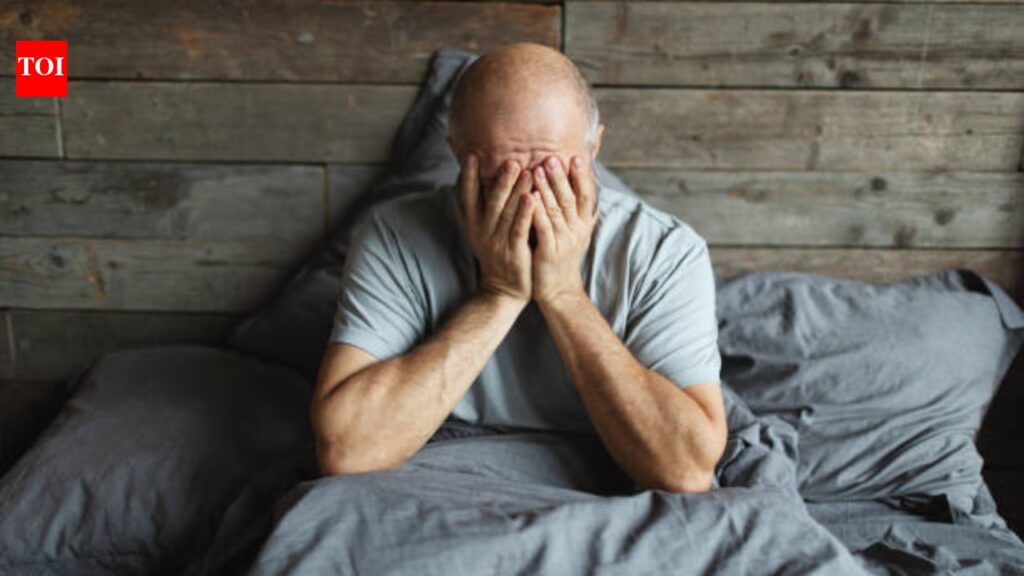
Most of us have grown up hearing the same lines about old age. “He’s old, that’s why he can’t sleep.” “Body pains are normal at this age.” “What can you do, it comes with getting older.” Somewhere along the way, we have started accepting discomfort in older people as a given. And that’s where the problem begins.When an older man lies awake night after night, tossing and turning, we are quick to blame insomnia or age itself. But often, it’s neither. It could be something far more basic and far more fixable. Pain. Especially back pain. The kind that doesn’t always show up in dramatic complaints, but quietly steals sleep, one night at a time.Sleep is not a luxury at any age, and it becomes even more important as the body grows older. Poor sleep affects mood, memory, balance, immunity, and overall health. It increases the risk of falls, worsens chronic conditions, and slowly chips away at quality of life. When an older man stops sleeping properly, it’s often a sign that something deeper is going on. And pain is one of the most common, most ignored reasons. “When sleep quality deteriorates, the release of melatonin, a hormone essential for restorative sleep, is affected. Erratic melatonin levels impact the hypothalamic–pituitary axis, causing hormonal imbalances, poor muscle recovery, and declining heart health,” says Dr. Vinay Kumar Aggarwal.
Poor sleep doesn’t always mean insomnia
“Poor sleep in older men is often wrongly attributed to insomnia, when in reality it may begin with back pain caused by age-related decline in muscle tone and early bone degeneration. One of the key contributors is poor muscle tone, known as hemispherical hypotonia, which commonly develops in elderly men. This leads to changes in spinal curvature, particularly increased lumbar lordosis or thoracic kyphosis, resulting in continuous strain on the back muscles,” says Dr. Vinay Kumar Aggarwal, Consultant Orthopedics and Sports Injuries, Kailash Deepak Hospital, New Delhi.“Research on men aged 65 and above shows that those reporting back pain were significantly more likely to develop sleep disturbances years later. These disturbances include poor sleep satisfaction, irregular sleep timing, daytime sleepiness, and reduced sleep efficiency. Importantly, the findings highlight pain as a primary driver of sleep disruption, rather than sleep issues leading to pain. Back pain often precedes sleep problems, while poor sleep at baseline does not predict later back pain. This indicates that untreated musculoskeletal pain gradually interferes with normal sleep patterns as men age,” says Dr. Krishna Subramanyam, Sr. Consultant Orthopedic Surgeon, Yashoda Hospitals, Hyderabad.

What does the pain feel like?
“Many patients describe symptoms not as sharp pain, but as stiffness, heaviness in the lower back, or an urge to constantly change sleeping positions. These signs are commonly overlooked or dismissed as normal ageing,” says Dr Lalit Modi, Additional Director – Orthopedics & Joint Replacement, CK Birla Hospitals, Jaipur. “Night-time pain, however, can be an early indicator of spinal wear, poor posture, weak core muscles, or long-standing mechanical strain,” he adds.“Over time, disturbed sleep lowers pain tolerance and delays tissue recovery, creating a cycle where pain worsens sleep and poor sleep intensifies pain perception,” the expert says.
Back pain management
“Early identification and management of back pain is therefore crucial. Timely orthopaedic care through physiotherapy, posture correction, strengthening exercises, weight management, and appropriate pain relief, can reduce pain severity and improve spinal function. Back pain should be viewed not as a mobility issue, but as a condition with other health consequences,” says Dr. Krishna Subramanyam.“Regular physical activity plays a critical role in both back health and sleep quality. Unfortunately, exercise is often neglected, particularly in older age. Simple measures such as walking and low-impact, posture-corrective exercises done four to five days a week can improve muscle strength and sleep. Medications may be used temporarily to manage acute pain, while investigations like X-rays or MRI scans help diagnose conditions such as disc degeneration, lumbar spondylosis, kyphosis, or scoliosis,” says Dr. Vinay Kumar Aggarwal.
So why is there so little awareness around the health of older people?
Part of it is how we see ageing. We’ve normalised suffering in old age. We expect older bodies to hurt, slow down, and malfunction, as if discomfort is the price of living longer. We talk endlessly about children’s health, women’s health, and working adults’ stress, but conversations around elderly health often stay limited to emergencies.

Another reason is that caregiving is exhausting. Families are busy. Caretakers are stretched thin. When an older person doesn’t complain loudly, their problems fall lower on the list. Sleep issues especially get dismissed because they don’t seem urgent. But they are. Chronic sleep loss slowly affects everything else.And then there’s the emotional side. Older people are often afraid of being seen as weak, dependent, or difficult. So they minimise their pain. They say they are okay when they are not. This is why families and caretakers need to pause and look closer. If an older man isn’t sleeping well, it deserves attention. Not a casual comment. Not a quick assumption. Real curiosity. Real care. Asking questions. Watching patterns. Taking pain seriously.Ageing shouldn’t mean silent suffering. Our elders deserve rest, comfort, and dignity. And sometimes, the most loving thing we can do is stop saying, “It’s just old age,” and start asking, “What’s really going on?”Medical experts consulted This article includes expert inputs shared with TOI Health by: Dr. Krishna Subramanyam, Sr. Consultant Orthopedic Surgeon, Yashoda Hospitals, HyderabadDr Lalit Modi, Additional Director – Orthopedics & Joint Replacement, CK Birla Hospitals, JaipurDr. Vinay Kumar Aggarwal, Consultant Orthopedics and Sports Injuries, Kailash Deepak Hospital, New DelhiInputs were used to explain how back pain affects sleep quality in older men.