When your child says ‘I hate you’: Managing emotional outbursts |
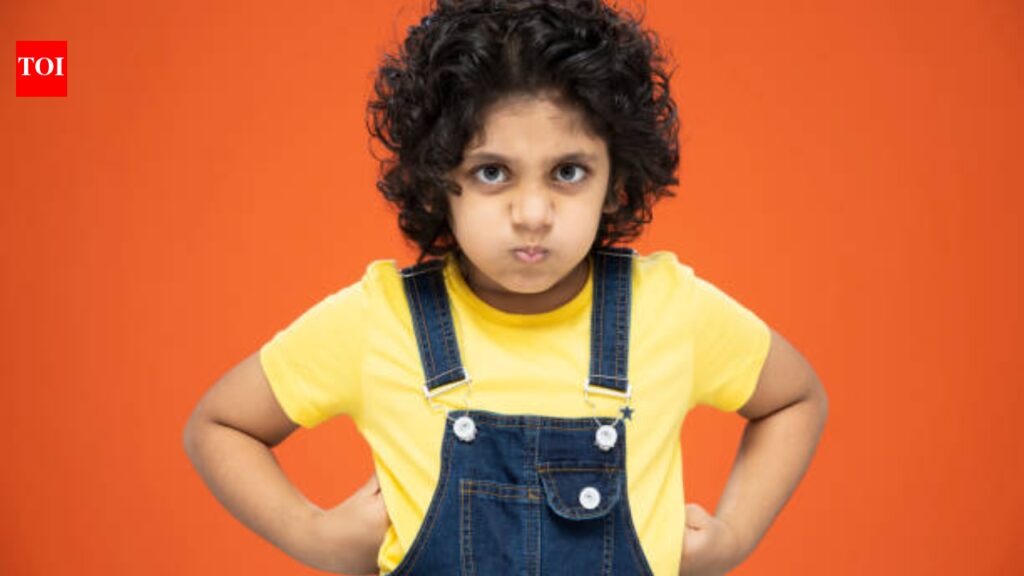
At some point, most parents hear words they did not expect to hear from their child. “I hate you” is one of them. It often comes out suddenly, during an argument or a moment of refusal. The words can feel personal, even if the child is very young. Many parents freeze or react quickly without thinking. It helps to pause and look at what is really happening.
It usually means something else
When a child says, “I hate you,” it is rarely about hate. Younger children do not have the language to explain frustration, disappointment, or anger clearly. They reach for the strongest words they know. Older children may use it to push back or test limits.Often, the outburst comes after a clear “no.” It could be about screen time, homework, or leaving the park. The child feels blocked and reacts. The words sound harsh, but the feeling behind them is usually short-lived. This does not mean the words should be ignored forever. But in the moment, it helps to remember that this is not a final statement. It is part of emotional learning.
Your reaction matters more than the words
The first instinct for many parents is to correct the child or take it personally. Some respond with anger. Others withdraw or go silent. Both reactions can make the situation worse. A calm response does not mean approval. It means control.Saying something simple like, “I can see you’re upset,” keeps the focus on the feeling, not the insult. It also shows the child that big emotions can exist without breaking the relationship. This can be hard on a tired day. Still, children often watch how adults handle anger more than what they say about it.
There is usually a pattern behind it
These outbursts often happen at predictable times. Late evenings, rushed mornings, or after school are common triggers. Hunger, fatigue, and overstimulation play a role. Once parents notice the pattern, the words become less shocking. They start to feel expected, not personal. This makes it easier to respond without escalating the situation. Over time, parents may notice that the phrase appears less often when routines improve or when transitions are handled more slowly.
Talking later works better than correcting now
Trying to explain manners in the middle of a meltdown rarely works. The child is not in a listening state. Waiting until things are calm allows for a more useful conversation. Later, parents can say they did not like those words and explain why. This can be brief. Long lectures are not needed. Children often understand more than they show. This also gives space to suggest other ways to express anger. Not perfect ones. Just better ones.
It does not mean you are failing
Hearing “I hate you” can shake confidence, especially for first-time parents. It may feel like a sign that something has gone wrong. In most cases, it is not. Children test relationships where they feel safe. They say hard things because they believe the bond will hold. That does not make it easy to hear, but it adds context. Over time, these moments usually pass. They leave behind small lessons for both the child and the parent.