Ted Sarandos on 10 years of Netflix in India: Thriving on Change and Competition | Hindi Movie News
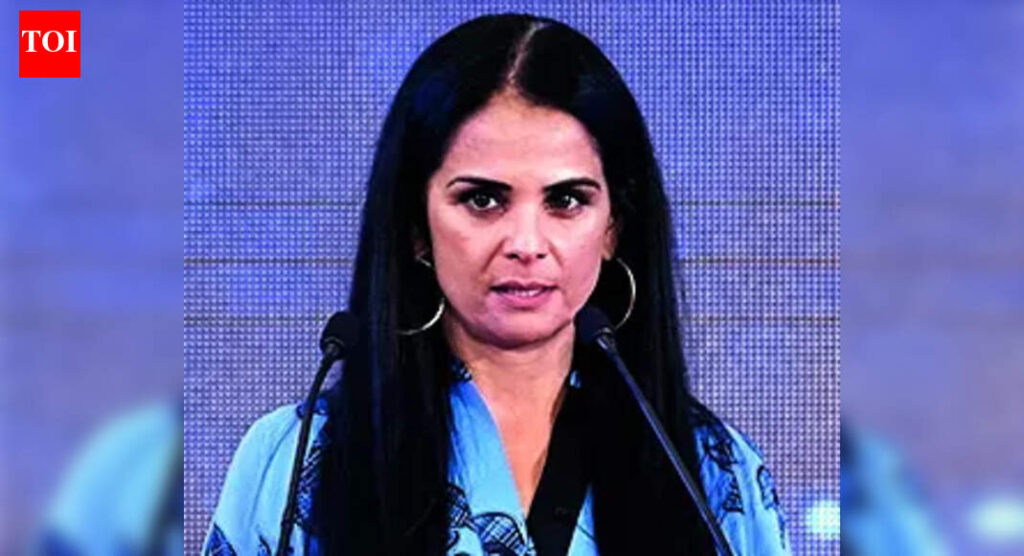

As Netflix marks a decade in India, its leaders talk about how there is no global template as such, but there is constant innovation and evolution. Ted Sarandos emphasizes widening access through flexible pricing and relentless product innovation without abandoning Netflix’s premium identity, while Monika Shergill frames the India slate as a carefully balanced “thali,” where cinematic prestige sits alongside mass, relatable entertainment built at speed and scale. Bela Bajaria places India at the center of Netflix’s global future, insisting that deeply local stories in multiple Indian languages are indispensable to entertaining the world.Expanding Access Without Losing the Premium EdgeSpeaking about how Netflix has broadened its footprint in India while staying true to its creative promise, Ted Sarandos, Co-CEO of Netflix, said: “We have expanded our pricing and product options to make Netflix accessible to more people, without moving away from being premium.” Highlighting how constant reinvention has been central to Netflix’s evolution, he added: “We’ve had to continually innovate and evolve our user experience, recommendations, plans and pricing, payments infrastructure and distribution partnerships across the globe. So, while our strategy of focus and continuous improvement is simple, the execution is not easy. We embrace change and relish and thrive on competition as it pushes us to improve our service even faster for our members.”
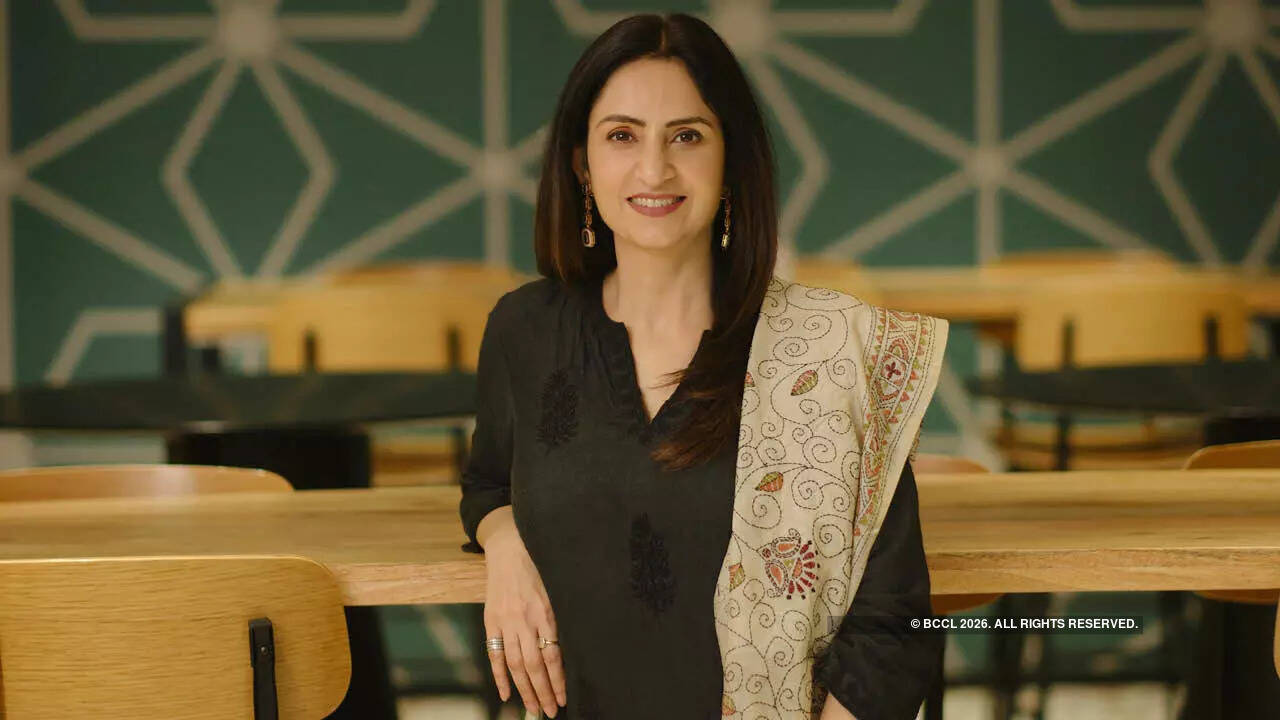
Monika Shergill, Vice-President Content, Netflix India
A “Thali” of Storytelling for IndiaDescribing Netflix India’s programming philosophy, Monika Shergill, Vice President – Content, Netflix India, likened the slate to a thali that offers something for every taste: “We make premium soaps and movies and the biggest cinemas stream on Netflix. We will remain the home of the big and bold, we are also the home of relatables such as The Great Indian Kapil Show, Single Papa and The Ba***ds of Bollywood. We are programming for the broadest audiences.”On the realities of building at scale and pace, and the investments that require, she added: “We stand for quality and volume. Bringing content to consumers quickly is just as important. To move fast, deliver quality projects, and do it at a certain scale and velocity, we have to spend more.”Reaffirming Netflix’s creative bar, Monika said: “For us the benchmark is as true as it was when we started. We have not left that big cinematic benchmark that Sacred Games or Delhi Crime established. We have added more relatable wide-audience programming, casual entertainment.”Local Stories at the Heart of a Global PlatformFor Bela Bajaria, Chief Content Officer, Netflix, the strength of Netflix lies in giving creators the freedom to tell deeply local stories — and audiences the freedom to explore the world. “It’s very important that you have creators and amazing stories from the world and you allow them this space to ell a very specific, local authentic story. If you’re sitting in Mumbai, Madrid, or Mexico City, you can click on Netflix and find your local show or you can scroll over. You can watch Money Heist, Amar Singh Chamkila, or Stranger Things.”She highlighted India’s central role in Netflix’s global ambition: “If our ambition is to entertain the world, you definitely cannot entertain the world without having incredible local stories from India and in multiple Indian languages.”What Drives Growth at NetflixOn what powers Netflix’s business momentum globally and in India, Ted Sarandos underlined that everything begins with great entertainment: “Our goal is to offer a wide variety of quality series, films and games that our members love. This in turn drives engagement on Netflix and when people watch more and love what they watch, they stick around longer (retention), recommend Netflix to others (acquisition) and place a higher value on our service. We monetize this engagement through both subscription and advertising revenue. So, it’s all about providing great entertainment to our members, that’s how we grow the business.”Speaking about building leadership in a highly competitive landscape, he added: “We’ve learned that focus and continuous improvement are the best ways for us to compete and grow our business… We’ve had to build the people, partnerships, and infrastructure to produce series and films in over 50 countries in many different languages. We’ve learned how to create and nurture big franchises like Stranger Things, Squid Game, and Bridgerton.”Built with India: The Results of Listening CloselyReflecting on how Netflix’s India strategy evolved over the years, Monika Shergill shared: “We were not programming for the South, we used to have original series and films but no non-fiction. We didn’t have licensed play; we were buying small prestige award-winning titles, and the service was designed for the set of audiences who knew about Netflix global service.”She explained how certain titles reshaped Netflix’s understanding of Indian tastes among audiences and creators: “We did Masaba Masaba and Little Things — which we have taken from YouTube after the first season. That informed people we are interested in lighter stories too. We got Kota Factory after the first season and that’s one of our most successful franchises. We also commissioned Mismatched.”Partnering the Creative EcosystemOn building long-term value for India’s storytelling community, Monika Shergill said: “We shared the Netflix bible openly. There is a core belief in every market we work that we are here to partner with the creative ecosystem, we are here to enable everyone to actually know what the best practices are.”Addressing the perception that Netflix favours only established names, she added: “I challenge anybody who says that Netflix India doesn’t give a chance to new creators. We know if we don’t have new voices, we are not going to be able to delight or surprise our audiences… We can only help them in technical aspects or help them to reach wider audiences.”

Doubling Down on India’s Growth StoryReiterating Netflix’s long-term commitment to India, Bela Bajaria said: “The focus was always to continue to invest and not to pull back. Even in India, I was like Tamil and Telugu are great markets. They have amazing movies and TV Shows. We know people love those, so let’s continue to expand.”And looking ahead, she summed up the opportunity: “We are barely scratching the surface of even doing different languages from the South. There is still so much room to continue to grow.”As the next decade begins, the message from Netflix executives is unmistakable: India is not just part of the story it is central to the future of global entertainment.