Liver cancer alert: High-fat diet can make liver cells cancerous, MIT study finds |

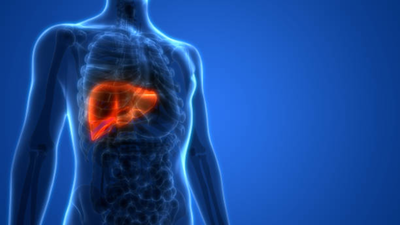
A new study from Massachussets Institute of Technology has found that high-fat diets make liver cells more likely to become cancerous.“If cells are forced to deal with a stressor, such as a high-fat diet, over and over again, they will do things that will help them survive, but at the risk of increased susceptibility to tumorigenesis,” says Alex K. Shalek, director of the Institute for Medical Engineering and Sciences (IMES), the J. W. Kieckhefer Professor in IMES and the Department of Chemistry, and a member of the Koch Institute for Integrative Cancer Research at MIT, the Ragon Institute of MGH, MIT, and Harvard, and the Broad Institute of MIT and Harvard.“A high-fat diet can lead to inflammation and buildup of fat in the liver, a condition known as steatotic liver disease. This disease, which can also be caused by a wide variety of long-term metabolic stresses such as high alcohol consumption, may lead to liver cirrhosis, liver failure, and eventually cancer,” the researchers have explained. To understand what exactly happens when cells are exposed to high fat diet for a prolonged period, the researchers fed mice a high-fat diet and performed single-cell RNA-sequencing of their liver cells at key timepoints as liver disease progressed.They found that cells turned on genes survive the stressful environment, including genes that made them more resistant to apoptosis and more likely to proliferate. At the same time, those cells began to turn off some of the genes that are critical for normal hepatocyte function, including metabolic enzymes and secreted proteins.“Nearly all of the mice on a high-fat diet ended up developing liver cancer by the end of the study,” the researchers found. While the mice in this study developed cancer within a year or so, the researchers estimate that in humans, the process likely extends over a longer span, possibly around 20 years. That will vary between individuals depending on their diet and other risk factors such as alcohol consumption or viral infections, which can also promote liver cells’ reversion to an immature state.Live