Hair fall despite fixing diet? Doctors warn it could be first warning of thyroid disorder |
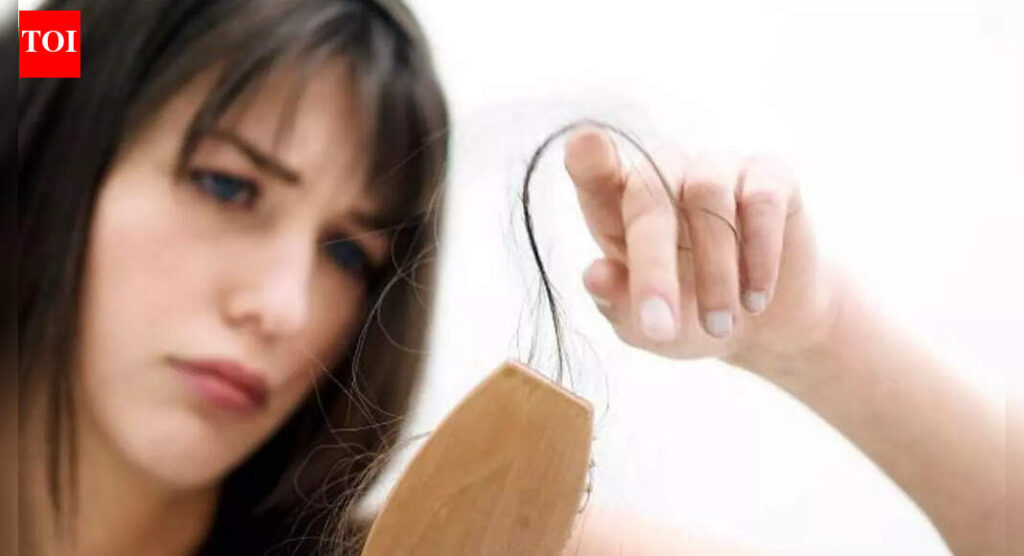

All you who find extra strands on your pillow, in the shower drain or stuck to your clothes, are not alone as hair fall is one of the most common complaints in urban clinics, affecting both men and women but not always for the reasons we expect. While stress, pollution and diet often get blamed, a hidden culprit is emerging from behind the scenes and that is the thyroid gland.Imagine your hair follicles as tiny plants that need the right hormonal soil to flourish. When thyroid hormones (which influence metabolism, growth and cell function) are out of balance, those “plants” struggle to stay in their growth phase and prematurely enter a resting and shedding phase. Dermatologists and endocrinologists are now saying that undetected thyroid dysfunction may be responsible for a large chunk of stubborn hair loss cases, especially when people have tried everything else first.
What research shows about the connection between thyroid health and hair loss
Thyroid dysfunction is widely linked with hair loss. According to a 2023 study published in Cureus journal, “Hyperthyroidism, hypothyroidism, and drug-induced hypothyroidism can induce widespread hair shedding… This review highlights the underestimated prevalence and impact of thyroid disorders on hair loss.” This broad review showed that both overactive and underactive thyroid states can disrupt the hair growth cycle, pushing follicles prematurely into the resting (telogen) phase, the biological basis for diffuse hair thinning. It reinforces that thyroid dysfunction is not a fringe cause but a significant, often overlooked factor in hair fall.Hormonal disruption alters hair growth phases. A JAMA Dermatology study, Hair Growth and Alopecia in Hypothyroidism, found, “Deficiency of thyroid hormone was associated with an increase in the percentage of telogen hairs… Normal telogen-anagen hair relationships were restored during replacement therapy with thyroid hormone.” This classic dermatological study shows the mechanism behind thyroid-related hair loss. Thyroid hormone deficiency increases the proportion of hairs in the resting (telogen) phase, which are shed more rapidly and normal patterns return when thyroid levels are corrected. This directly supports expert advice that early detection and hormonal balance can reverse hair thinning.
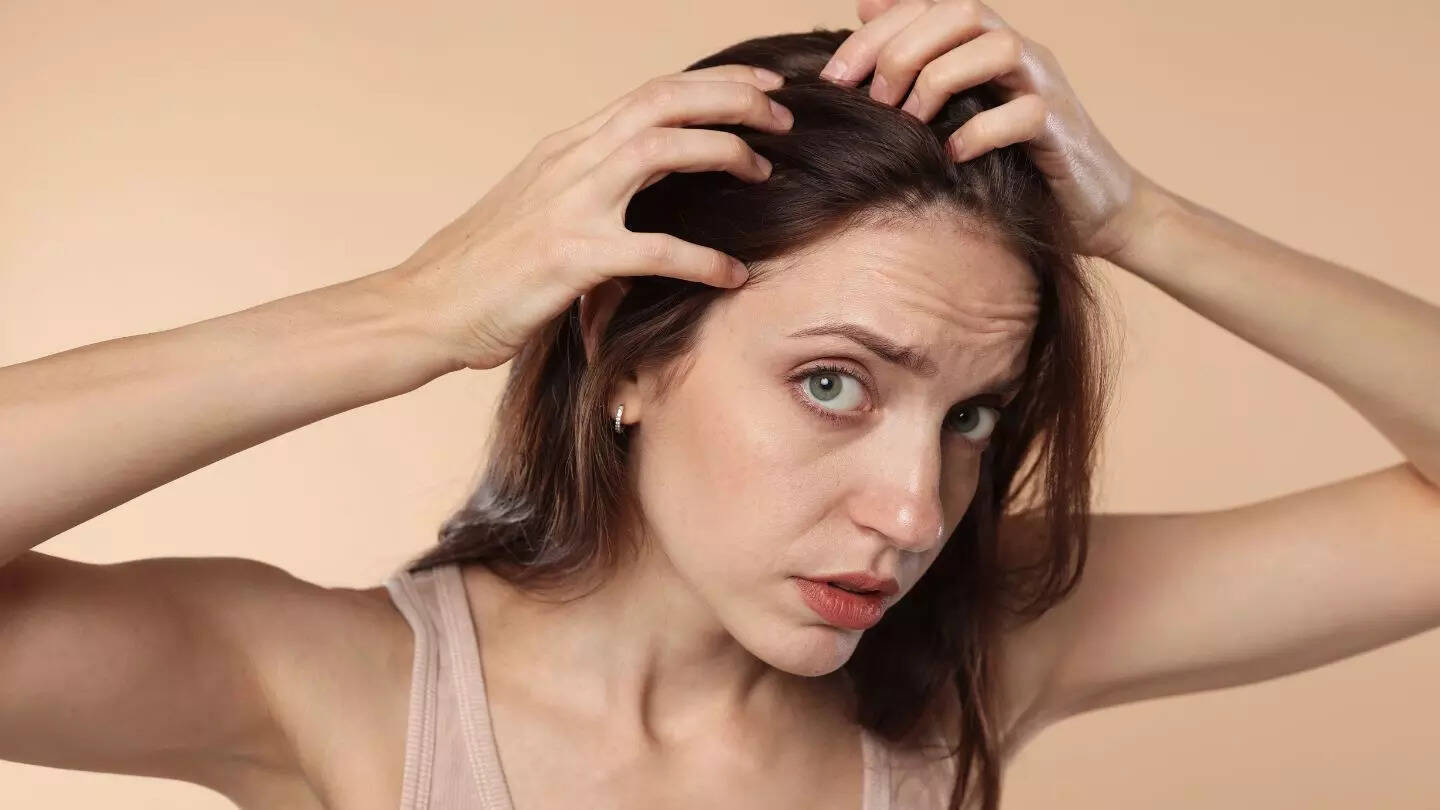
Hair Loss That Won’t Stop Could Signal an Undiagnosed Thyroid Problem
Thyroid disease is more prevalent in hair loss conditions. A systematic review and meta-analysis, Increased Incidence of Thyroid Disease in Patients with Alopecia Areata, revealed that the prevalence of thyroid disease in patients with alopecia areata was significantly increased compared with controls (odds ratio 3.66), suggesting patients with this type of hair loss should be screened for thyroid disease. While not all hair fall is patchy alopecia areata, this meta-analysis shows a strong statistical link between certain hair loss disorders and thyroid dysfunction, reinforcing the importance of thyroid evaluation in unexplained or persistent hair loss.
What the experts say about thyroid health linked with hair fall
Both hypothyroidism and hyperthyroidism can disrupt the natural hair growth cycle, leading to gradual but stubborn hair thinning. Early thyroid tests are crucial to detect any underlying disorder, manage it effectively and prevent long-term hair damage. Understanding the link between thyroid health and hair growth can help patients take timely action.In an interview with the Times of India, Dr Shareefa Chause, Dermatologist at Apollo Spectra in Chembur, Mumbai, highlighted that a large number of people currently tend to experience hair loss that can be unpleasant, embarrassing, frustrating and can cause stress and anxiety. Unfortunately, even thyroid problems are known to cause hair loss.She pointed out, “Thyroid hormones regulate many functions in the body, including hair follicle growth. When thyroid hormone levels disturbed, hair follicles enter a resting phase prematurely, leading to shedding and slow regrowth. Patients often notice diffuse hair thinning rather than patchy loss, and the condition may continue even if diet and lifestyle are healthy.”According to her, symptoms like fatigue, weight changes, dry skin, or palpitations often accompany hair loss, hinting at an underlying thyroid issue. Dr Chause claimed, “40% of thyroid cases are associated with undiagnosed thyroid problems. 4 out of 10 people aged 24-37 come to me with complaints of hair fall without knowing they have thyroid problems. When they are advised thyroid screening, then they come to know that the hair fall is attributed to thyroid problems. Regular thyroid testing can identify these imbalances early, allowing proper treatment to restore normal hair growth.”

Dermatologists Reveal Why 4 in 10 Hair Loss Patients Have Undiagnosed Thyroid Issues (Representative image )
Bringing her expertise to the same, Dr Upasana Garg, Regional Technical Chief at Apollo Diagnostics in Mumbai, said, “Hair fall can be an early warning of thyroid dysfunction, which often goes unnoticed until more serious symptoms appear. Tests such as TSH (Thyroid Stimulating Hormone), Free T3, Free T4, and thyroid antibody screening provide a clear picture of thyroid health. Once detected, thyroid disorders can be managed with medication, lifestyle adjustments and targeted supplements, which significantly reduce hair fall.”She asserted, “Anyone with unexplained or persistent hair loss should undergo these tests for early diagnosis. Screening is simple and can prevent further hair thinning and complications. To manage thyroid, have a balanced diet with sufficient iodine, proteins, iron and zinc, stay hydrated, and avoid excessive chemical treatments or heat styling, de-stress through yoga, meditation, or exercise. Follow prescribed thyroid medication regularly if diagnosed. Schedule routine thyroid and hair health check-ups, especially if hair fall persists.”
Take-home message
Hair loss is not always surface-level. When you see stubborn shedding that does not seem linked to diet, stress or styling, your thyroid could be narrating a deeper story. Thyroid dysfunction can disrupt hair growth cycles. Screening tests are simple and actionable.If your hair fall persists, don’t brush it off. Talk to a clinician about thyroid screening. Hair growth might just be the first sign your body needs attention. Early detection through thyroid screening, coupled with proper management, can prevent severe hair loss and restore hair vitality.Note: The information provided in this article is for educational purposes only and is not intended as medical advice. Always consult with a qualified healthcare professional before starting any new medication or treatment and before changing your diet or supplement regimen.