Can cervical cancer really be prevented before it starts? Five key answers every woman should know


Cervical cancer sneaks up on thousands of women each year, hitting hardest in countries like India where screening often falls short–and cervical cancer is one such! Caused mainly by persistent HPV infection in the cervix– it stays silent for years until it is too late. Australia shows the way forward, targeting elimination by 2035 through smart vaccination-and testing. Here are five key questions-and answers unpack lesser-known truths to help every woman stay ahead.
How does screening stop cancer before it starts?
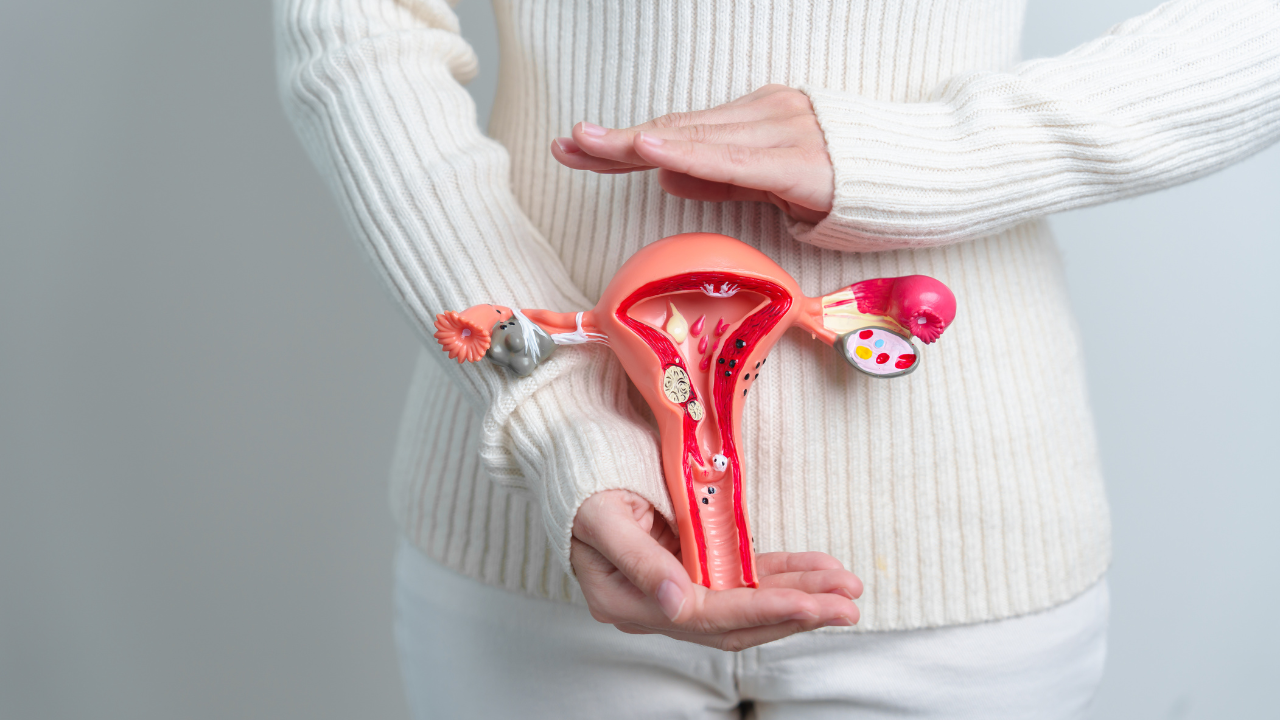
Screening goes beyond spotting tumors already there. It catches pre-cancerous cell changes triggered by HPV, which can take 10 to 20 years to turn invasive, leaving plenty of time for simple treatments like freezing or cutting out bad cells. Countries running steady programs see deaths drop by up to 70 to 80 percent when most women join in.
Australia expects fewer than four cases per 100,000 women soon, thanks to 80 percent screening rates among those aged 25 to 74. In India over 127,000 new cases hit yearly, ranking fourth worldwide, but routine checks could prevent 90 percent of deaths if rolled out wide.
Why do HPV tests beat pap smears?
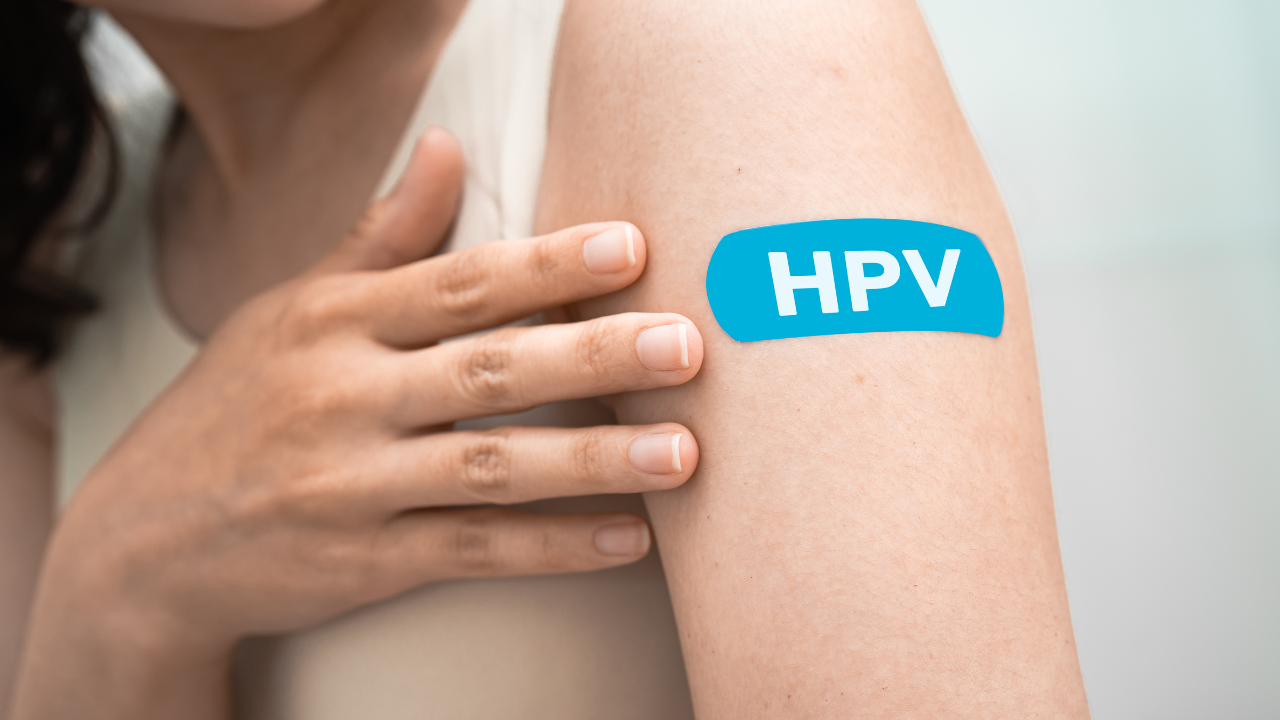
Pap smears check cells for odd shapes under a microscope, but HPV DNA tests find the virus behind 99 percent of cases much earlier. They flag risks years ahead, making screening important, with 95 percent sensitivity for high-grade lesions against Pap’s 55 percent.Studies show co-testing HPV with Pap boosts detection by 25 percent over Pap alone. Self-collected HPV samples match clinic accuracy at 96 percent, ideal for remote villages or working women–and India pushes this through Ayushman Bharat for 70% reach.
Why early symptoms are often ignored, until its too late?

Early cervical cancer whispers no warnings like pain or bleeding. Most women feel normal until stage two or three, when odd discharge or pain during intercourse is felt. Survival odds plunge from 92 percent if caught early to 17 percent in late stages.In places where this is diagnosed late, needless deaths occur, but prompt screening changes that for millions. WHO notes symptoms mean the game is already advanced, underlining why regular tests matter most.
What low-cost tools fit every setting?
Fancy labs offer Pap or HPV, but villages use VIA, swabbing the cervix with vinegar to spot white patches by eye. A 2004 Indian trial by Sankaranarayanan et al found VIA 80 percent accurate, cutting mortality by 31 percent versus no screening.Now mHealth apps read VIA via phone cameras at 90 percent sensitivity per 2020 studies. From high-tech clinics to lantern-lit camps, options match any budget or spot.
Can vaccination-and screening end this worldwide?
Yes, screening works everywhere from Sweden to Mongolia, chasing WHO’s 90-70-90 goals: 90 percent HPV shots by age 15, 70 percent lifetime screens, 90 percent treatment. Basics alone could prevent 62 million deaths by 2120.India’s free vaccines for girls 9-14 might avert 110,000 cases over a century, per Gavi, though coverage sits at 1.2 percent nationally. States like Delhi trial 70 percent uptake–and pairing shots with tests blocks 90 percent of strains for high-risk groups like smokers. The point is: we have all the accessibility we need as women, and now is our time to utilise it for our reproductive health and for future generations.