Baking soda for plants: Benefits, risks, and safe ways to use it in your garden |
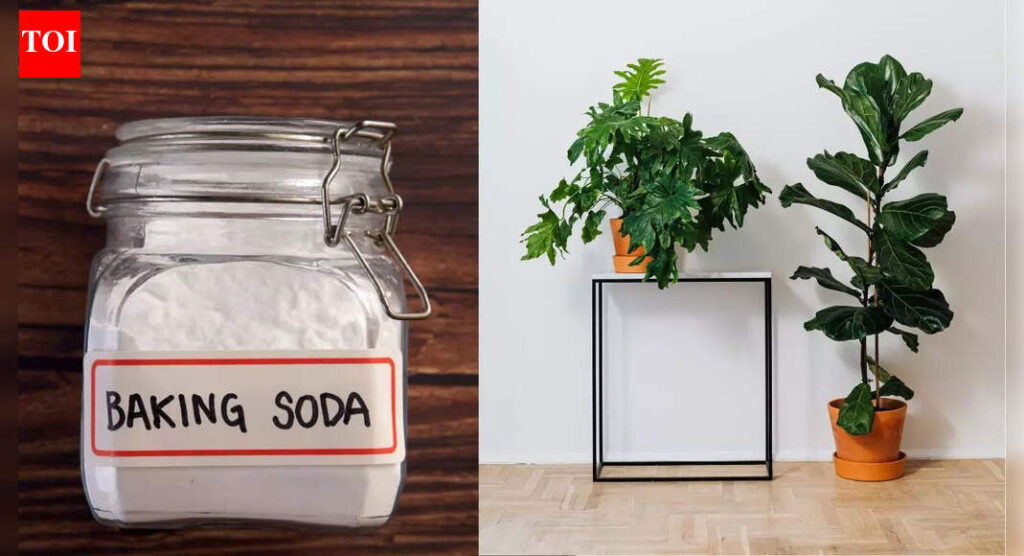
A lot of people may never even think to use baking soda on plants, yet it’s a strange fact that a good number of gardeners trust this simple kitchen item for plant health to such an extent that they would hardly consider any other alternative. One of its main uses is to prevent and cure fungal diseases that affect the plants, besides being a repellent to pests and even as a soil pH corrector. But is it really the case? Does baking soda help plants to grow healthy? Or it may be a disaster waiting to happen if it is used wrongly? The answer is somewhat both. Baking soda in small quantities and tightly controlled can be safe and even beneficial to have quick effects, in particular, on fungal diseases on the surface and small pests. On the other hand, overdoing or wrongly applying may cause trouble for the soil composition and the plant’s health by changing the chemistry. Thus, finding out both sides of the story, as well as what the scientific community thinks, will let you know whether and how to use this cheap domestic staple in your plot of land.
What research stands for baking soda application on plants
According to the study published in The National Library of Medicine, which demonstrates the impact of different types of bicarbonates, instances included sodium bicarbonate (baking soda) on Botrytis cinerea, a fungal pathogen that causes the disease in plants. The results indicated that the bicarbonates were very effective in limiting fungal colonies from growing, even at small concentrations. Ascribing the elimination of fungi to the action of baking soda, the scientists consider it a cheap, green and safe source treatment option for some situations of superficial fungal infections in plants, especially when it is applied as prevention or initial control and not as a cure.
How baking soda affects plants
1. Eco-friendly anti-mildew agentBaking soda usually helps to solve plant problems caused by fungi, such as powdery mildew, by changing pH and making leaf surfaces less hospitable to fungal growth. A very diluted serving (e.g., 1 tsp of baking soda per 1 gal. of water) sprayed on the infected area can be effective in gradually killing the fungi when doing it as a preventive measure, and the first signs of the season are barely present.2. Low-cost area protectionCertainly, gardeners find baking soda useful, as it is efficiently used as a means for weak pests such as aphids and ants that may infest the cotton that they feed on or the fruits. When properly applied the alkaline property, along with the gentle abrasion catalysis can discourage these pests. On the other hand, it should not be considered a proper and full replacement for insecticides.3. Soil pH modifier (with care)Baking soda may be capable of raising soil pH in severely acid soils, but only in small quantities. However, its effect is very shallow and lasts for a short period. For normal pH control, garden lime or professionally made soil amendments are more reliable. Too much baking soda may result in the soil becoming too alkaline and the plants not getting their needed nutrients.4. Weed spot treatmentUsing baking soda on the areas where weeds have grown in your garden path or the edge of the flowerbed may cause the local weed that is at the stage of growth to soak up the water from the soil and eventually die due to the salty side of the store that has alkaline properties. This does not involve a systemic herbicide, but it may be a good spot treatment in areas where vegetable cultivation is not practised. 5. Possibility of sodium buildupIf the baking soda is repeatedly or excessively used, it may result in the accumulation of sodium in the soil. High sodium levels make it difficult for plant roots to absorb water and nutrients; thus, the plants may grow dwarfed and even become stressed. Therefore, when using baking soda, it is necessary to check the condition of the soil regularly.6. Chance of leaves burningIf it is in a very high concentration or if it is applied under very hot sunlight, the mixture of baking soda can cause leaf burning or browning, especially for those plants that are sensitive. Always ensure that a small area is tested and proper dilution is done if you are going to apply it over a larger area.
How to properly use baking soda in your garden
Best practice tips: dilute properly. A mild solution for most work (around 1 teaspoon per gallon of water) is best.Spray on cloudy days: Foliar applications should be done early in the morning or late in the afternoon to prevent leaf scorch.Test first: A spray should be tested on a very small portion of the plant before the whole plant is treated.Don’t use too much: Regular use can change the soil’s pH and increase its sodium content, which in turn will affect the plant’s nutrition.Be aware of your plant: Plants that love acid, like azaleas and blueberries, may not be able to take alkaline sprays.Thinking Over Baking soda can be a great, low-priced means to achieve certain tasks in the garden, such as getting rid of mild fungi or pests that are little in number. Although it is not a panacea, the use of this agent needs to be done carefully so that it doesn’t bring about an unbalanced soil and stressed plants. Along with this, proper gardening techniques (like correct watering, supplying the soil with nutrients, and giving the plants adequate light) will provide the best outcome.(Disclaimer: The article is made with the sole intention of giving guidance to the reader only. It is always wise to consult gardening experts or soil testing services for specific advice for your plants.)