Are we raising achievers or well-balanced individuals?
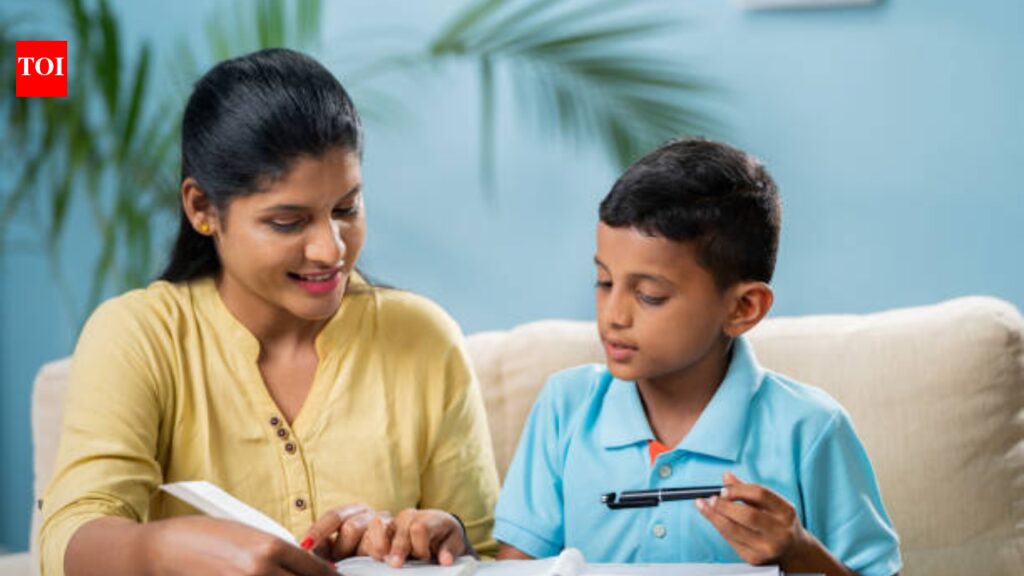
Look around any evening, anywhere.A child hunched over homework. Another rushing through dinner because there’s class next. Someone yawning while memorising something they don’t fully understand. Childhood today is busy. Not joyful-busy. Purpose-busy.It doesn’t happen overnight. It creeps in.One activity becomes two. Two become routine. Routine becomes expectation. Soon, a child’s day looks fuller than an adult’s. And somewhere in between, nobody asks whether the child is actually okay with all of it.Parents rarely mean to overload. It usually starts with good intentions. “This will help later.” “This will give them an edge.” “They’ll thank us someday.” But children don’t live in someday. They live in today. And today feels long.You can see it in how children talk now.They don’t say, “I enjoyed this.”They ask, “Is this important?”“Will this be tested?”“Does this matter?”
When did enjoyment stop being enough?
There are children who do everything right and still look tired. Children who perform well but carry a constant sense of urgency. Children who feel guilty for resting. These aren’t lazy children. These are children who’ve learnt that slowing down is risky.Being well-balanced doesn’t mean children don’t work hard. It means they don’t feel like they’re failing when they pause.It means a child can have an average day without apologising for it. It means mistakes don’t feel like disasters. It means effort isn’t followed immediately by anxiety about results.But balance is hard to model when adults are exhausted too.When evenings are only about catching up. When conversations revolve around performance. When comparison slips in casually. Children absorb these cues. Quietly. Completely.Schools reward achievement. That’s their job. Homes are supposed to do something else. Homes are where children learn whether they are loved for who they are, or for what they do. Whether they can say “I’m tired” without being corrected. Whether boredom is allowed. Whether quitting something that doesn’t fit is seen as failure or self-awareness.Some parents notice the imbalance only when something cracks.A child who suddenly hates school. A child who cries before exams. A child who achieves consistently but doesn’t seem happy doing it. That’s when the question changes. Not “How can they do better?” but “Why does this feel so heavy?”Raising achievers is straightforward. Systems are built for that. Raising well-balanced individuals is quieter work. It means resisting the urge to fill every gap. It means trusting that children don’t need to be prepared for everything, all at once. It means remembering that childhood isn’t a rehearsal. It’s a real phase of life.Children will grow. They will compete. They will strive.But they shouldn’t have to carry the weight of the future before they’ve even had space to be present.That’s not softness.That’s sense.