‘Zero chance of restoration of monarchy in Nepal’: Ex-PM Bhattarai

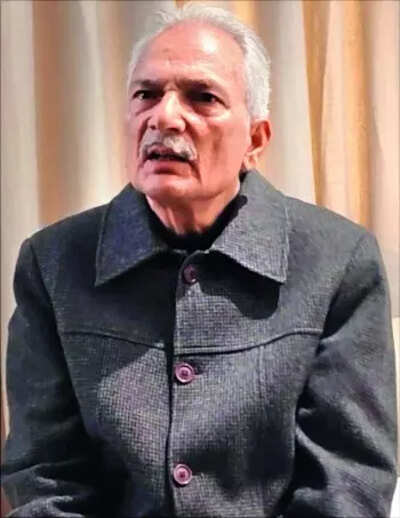
Former PM of Nepal and one of the architects of Nepal’s constitution, Baburam Bhattarai, sat down for an exclusive one-on-one interview with TOI’s Rudroneel Ghosh, discussing the Gen-Z protests that rocked Nepal, New Delhi-Kathmandu ties, Agnipath scheme and the China factor:Following the Sept Gen-Z protests in Nepal, do you think the anger of the protesters has been addressed now? The situation is still in a flux in Nepal. Nepal is still going through a transitional phase. The monarchy was only abolished in 2008. Then after the institutions were not very strong until the promulgation of the constitution in 2015. That’s when institutions started developing but were not fully developed. So Nepali govts haven’t been able to deliver. Meanwhile, the aspirations of the youth have skyrocketed, especially after the advent of digital technology. So, frustrations were mounting and exploded in Sept. Do you think some external elements pushed the protests in Sept? The crisis should be seen as a manifestation of internal contradictions in Nepali society. The triggering factor was the banning of social media by the then govt. There was also tremendous antagonism against the leadership of traditional parties, namely Nepali Congress and the two Maoist factions. Plus, corruption was mounting and there was utter failure on the economic front. These factors together gave rise to the revolt on the first day. On the second day there was resistance by the youth, and then different vested interests, both internal and external, naturally tried to fish in troubled waters.Many in Nepal say parliament should be reconvened instead of having elections. When people’s aspirations are not fulfilled by govt, people have the right to express their views through the street. When govt was forced to resign and parliament dominated by outdated parties and leaders was not accepted by the people, it was dissolved. So, the natural corollary is to hold elections on time and bring constitutional democracy back on track.How do you see calls from certain sections for the restoration of monarchy?In Nepal’s case the monarchy was overthrown by the mandate of the people. Monarchy had totally failed and monarchical institutions had staged coups against democracy in Nepal since the 1960s. This bogey of monarchy is only raised by certain vested interests. There is zero chance of restoration of monarchy. How is the current situation impacting India-Nepal relations? India-Nepal relations are multifaceted. These things (political issues) won’t impact the relations. What about updating the 1950 Treaty of Peace and Friendship? I was one of the major proponents of that idea. Because every treaty and agreement is time specific. So, our position is that the treaty needs to be updated once again with mutual agreement. There’s concern about China’s growing footprint in Nepal. This is highly exaggerated. Geopolitics is fast changing with the rise of both India and China as global powers. Add to this the interests of US. Naturally, their interests would collide to some extent. But I don’t think Nepal can be a playground for any external forces. Nepal won’t come between our neighbours and other powers.Has introduction of Agnipath scheme impacted our relations? Recruitment of Nepalese nationals in foreign armies of India and Britain has a long history. This also needs to be revisited. Again, my humble request is to review all the elements of our relationship as a package. How do we insulate India-Nepal relations from political changes in either country? We shouldn’t indulge in issues for partial gains of particular political party or leader. State policy should have continuity. In our case, certain leaders for their own arrogance rake up these issues. We shouldn’t engage in matters that vitiate relations with neighbours. India seems to have grown out of Saarc. What is the way forward? Even if you go by the latest US national security strategy, they have accepted that the world is heading towards multipolarity. Naturally, this will also impact South Asia. There’s reason for South Asian countries to cooperate and resolve their issues peacefully. For that India being the largest country and biggest power in the region, should be taking the initiative and every country should be playing a positive role in this effort.