Plants you should not have in your home

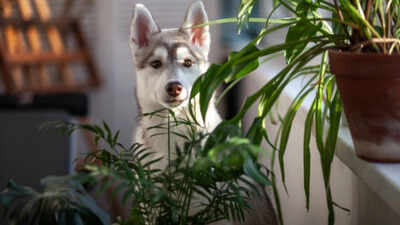
We all love to decorate our homes with plants. Known as natural air purifiers, makes you feel more connected to nature and even enhance the home decor, plants, and indoor plants, making them everyone’s go-to choice. But, did you know, you should never keep certain plants in your home. Let’s check out the plants you should not have in your home.
Dieffenbachia, aka dumb cane
Dieffenbachia, commonly known as dumb cane, is considered to be one of the most dangerous plants to have in homes. Though the leaves are too attractive, they also contain calcium oxalate crystals that can irritate the mouth and throat if ingested. It can also cause skin irritation to animals and kids if they touch it.
Oleander
Yet another plant that is not advised to be kept in the home is Oleander. All the parts of this plant are highly toxic, and it can even affect the heart if consumed.
Fiddle leaf fig
This plant has become a popular choice for indoor use lately. However, experts warn that if the plant is ever damaged, it releases a milky sap that can irritate both the skin and eyes.
Peace lily
Peace lily is yet another plant that is fondly chosen by people. Though the plant is said to be safe for humans, as it is a great natural air purifier, the same plant can cause danger to your pets. If consumed, the plant can cause vomiting, drooling, and difficulty swallowing for your pet, especially for cats.
English Ivy
English Ivy, the plant which grows in damp soil, often promote growth of mold spores. These mold spores can aggravate asthma and allergies. Also, they are too toxic if eaten by mistake.
Ferns
The much-loved, lush plant, Ferns, can also contribute to indoor humidity and cause mold spores. Excess moisture can lead to breathing difficulties and allergic reactions over time.