Mauni Amavasya 2026: When is Magha Amavasya? Check Date, Time and Significance
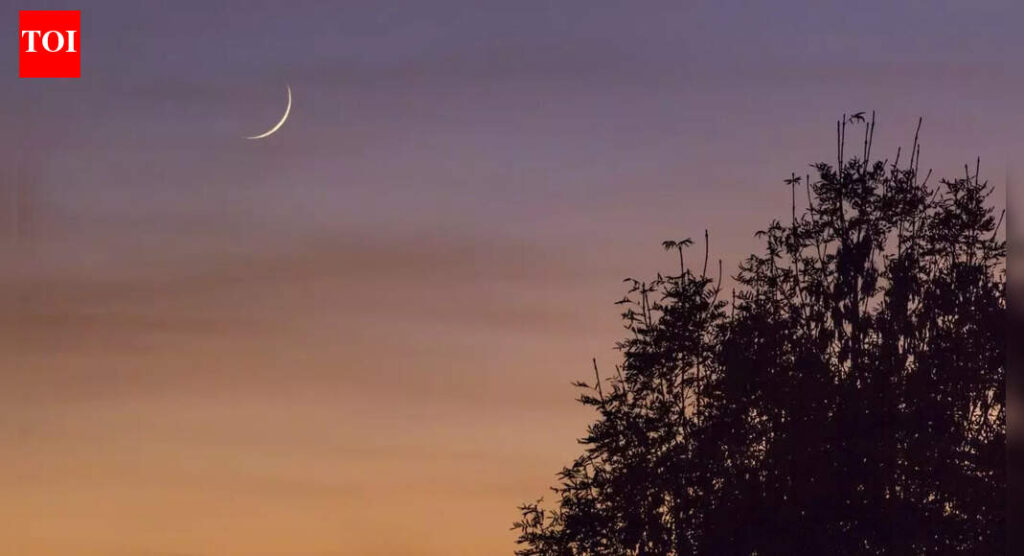

Amavasya holds a great religious and spiritual significance in Hindu religion. In our Hindu culture, Amavasya is considered as the most powerful day when people perform various rituals and worship their ancestors also. Each Amavasya is considered unique and sacred but there are certain Amavasya’s that are believed to be extremely powerful that remove past sins and pitru dosha also. Mauni Amavasya is one of those Amavasya’s that is highly meritorious if you perform certain puja rituals on this particular day. Now, you must be curious to know when is the correct date of Mauni Amavasya in 2026 so here are the below mentioned details about Mauni Amavasya and what is the significance of that so let’s move forward and check the meaning:
When is Mauni Amavasya in 2026?
Amavasya Tithi will start from 12:03 AM on January 18 and it will end at 01:21 AM on January 19, 2026 so Mauni Amavasya is going to be observed on January 18, 2026.
Mauni Amavasya 2026 : Significance
Mauni Amavasya is the most auspicious day in Hindu religion because this day is dedicated to worship ancestors and forefathers. Mauni Amavasya is also known as Magha Amavasya. The day is considered to be highly meritorious and fruitful for taking bath in Ganga river, performing pitru tarpan, pitru dosha nivaran puja, and also removes Rahu and Shani dosha rom your life if you perform the remedies for that. The day holds a great religious and spiritual significance among Hindus. This day is considered as the most powerful day for self purification and doing meditation.
Mauni Amavasya 2026: Puja Rituals
Holy Bath: On this day, devotees get up early in the morning andtake a bath in the Ganga river, which purifies the soul and washes away past transgressions.Maun Vrat: This day is popularly known for keeping Maun Vrat and following this many people make a commitment to remain silent all day in order to focus on self-reflection and spiritual discipline.Fasting: On this particular day some people observe fast and break their fast after eating sattvik meal such as eatingfried potatoes, sama kheer, and kuttu and many other devotees observe the fast by completely abstaining from food and water.Ancestral Worship: Lighting a diya with mustard oil and keeping it beneath the peepal tree in remembering of ancestors is important and performingPitru Tarpan also. Charity: One must perform acts of charity, such feeding the hungry and underprivileged people.