… make for almost all my wealth, says Tesla CEO Elon Musk as he joins ‘California wealth tax’ debate
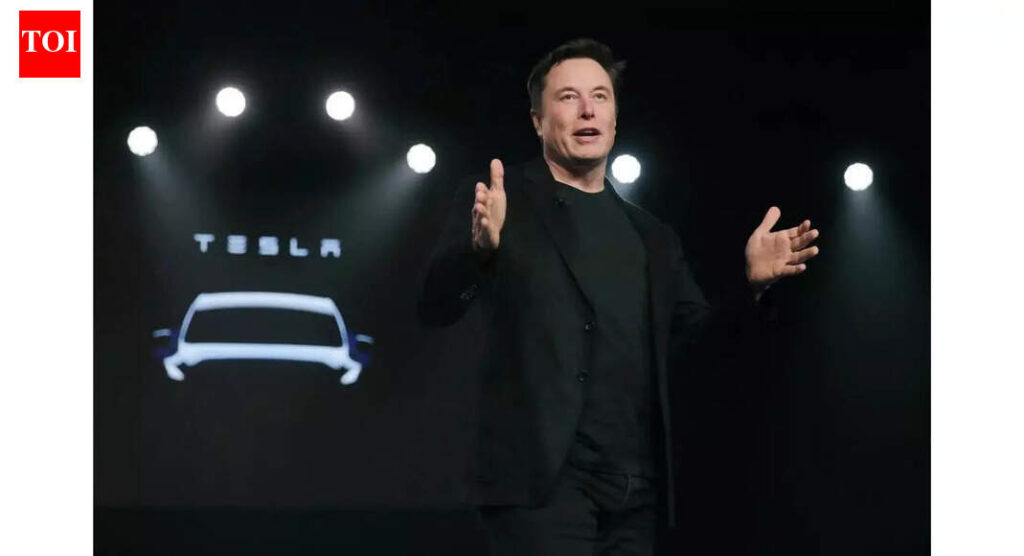
Tesla CEO Elon Musk has now joined in the debate on California’s proposed wealth tax. In a post shared on social media platform X (formerly known as Twitter) Musk revealed that nearly all of his fortune is linked to the shares of Tesla and SpaceX. The remakes made by Musk comes as lawmakers in California debate new measures aimed at taxing billionaires more aggressively, sparking controversy among tech leaders and investors.Solana Labs co-founder Anatoly Yakovenko recently shared a post on X talking about the wealth of Tesla CEO Elon Musk. He argued that Elon’s stocks are not wealth. “Elons stocks aren’t wealth. If the number of Tesla shares doubled the world isn’t any richer. If the number of Tesla cars doubled, it’s measurably richer. For him to get to $1t in capital, he has to organize labor to set the means of production in motion to produce enough consumer wealth that his companies are worth trillions. Aka he has to ship wealth to consumers. Whoever runs on inequality isn’t a socialist. They aren’t running on “let’s build more houses or more hospitals” because they actually can’t find anyone competent who can organize labor so these things end up being built. The outcome is always just more state debt and inflation,” wrote Yakovenko.
Responding to Yakevenko’s post, Musk said, “My Tesla and SpaceX shares make for almost all my wealth.” He added that his financial position is not based on liquid assets but on equity in the companies he founded and continues to lead. “Correct. My Tesla and SpaceX shares, which are almost all my “wealth”, only go up in value as a function of how much useful product those companies produce and service. This means my “wealth” can only increase due to producing more products and services for the public. Moreover, anyone else who is a shareholder in Tesla and SpaceX, which incudes employees, participates in the upside of stock appreciation. That is because I am a maker, not a taker like the Bernie Sanders type politicians of the world. They take and they’re on the take, because they cannot or will not make,” posted Musk.Musk’s comments highlight a common issue in wealth tax debates: billionaires often hold their wealth in company stock, which is not easily converted into cash without selling shares and potentially destabilizing the companies themselves.
The tax that’s got billionaires running for the exit
The wealth tax proposal, pushed by healthcare union SEIU-United Healthcare Workers West, would retroactively apply to anyone living in California on January 1, 2026. That means billionaires have just hours to establish residency elsewhere if they want to avoid it. For Page, whose net worth stands at roughly $258 billion, the tax bill could exceed $12 billion. Thiel, worth about $27.5 billion, would face a tab of more than $1.2 billion.The measure needs enough signatures to reach the November 2026 ballot, but some wealthy Californians aren’t willing to gamble. Tech investor Chamath Palihapitiya warned the tax would trigger “an exodus of the state’s most talented entrepreneurs,” adding he’s giving “serious consideration” to moving to Texas.
Bill Ackman warns California on the path of self-destruction
Bill Ackman the hedge fund billionaire also raised alarm over California’s economic future as the wealthiest residents of the state are planning to leave due to the proposed tax targeting billionaires. Ackman echoed similar concerns in a post on X, “California is on a path to self-destruction. Hollywood is already toast and now the most productive entrepreneurs will leave taking their tax revenues and job creation elsewhere.And then the Democrats highlight @CAgovernor Newsom as a great leader. Crazy.”Ackman has criticised the political leadership of California and believes that the proposed aggressive tax policies are pushing the entrepreneurs out. These people are the ones who drive both the job market and economic growth.The debate comes amid growing concerns about income inequality in the United States. Data from the Congressional Budget Office shows the top 10% of families hold 69% of wealth, while the bottom 50% hold just 3%.California’s Legislative Analyst’s Office estimates the tax could generate tens of billions in one-time payments. However, they warn that long-term income tax revenues could decline by hundreds of millions annually if billionaires leave.