Interview | ‘Will bring back manufacturing, deal to improve bottomlines: Pearl’ Pallab Banerjee

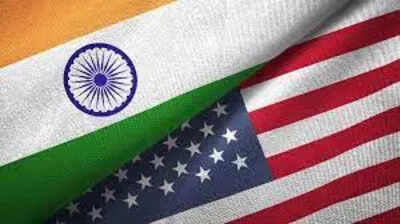
Garments are one of the sectors hit the hardest by US tariffs. Pearl Global MD Pallab Banerjee tells TOI the trade deal with the US will immediately help Indian garment exporters bring orders back to India.Impact of 50% tariffsIt was a big setback as tariffs for cotton garments shot up from an average of 15% (MFN rate) to an average 65%. Stopping large factories was not an easy option, so many exporters continued to ship to the US by taking a price cut to compensate the tariff amount to their customers. Compared to Bangladesh, Indonesia and Vietnam, India’s tariff was 30% higher. Exporters continued to offer discounts of 15-18% to mitigate the tariff difference from competing nations. Garments do not operate at such a margin, so we were in the red for these last seven months. Many exporters started shutting down factories after taking a hit for a few months. Overall impact would have been huge, given that India exported $5.5 billion of garments to US and every $1 billion exports mean 1.25 lakh direct jobs.Deal a reliefSome exporters started looking at options of shifting their manufacturing in other countries and shutting down Indian factories. So this deal is a huge relief for the industry and the entire supply chain. Pearl Global has its own factories in India, Vietnam, Bangladesh, Indonesia and Guatemala. About a quarter of our total business is made in India. We are trying to grow this share and this deal is a huge benefit for us as well. Over the last four years we reduced our dependence on the US market from around 85% to 52% and expanded footprints in Japan, EU, the UK and Australia markets for our top line sales.Post-deal pushThe deal will immediately add to our bottomlines here and it will impact our fourth quarter bottomlines positively. Going forward, we will not just bring back manufacturing to India but also grow it aggressively. Investment is going on in India and capacity is being increased here.


