From experience-driven to smart luxury: Expert shares 7 design trends that will rule 2026
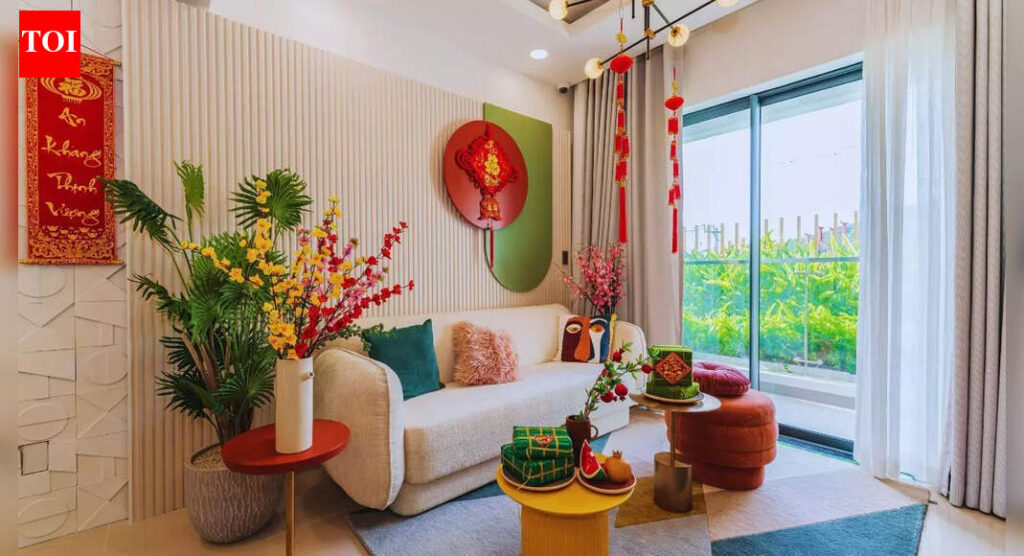
Earlier, interior designing meant choosing colours, décor, and furniture. People were keen on choosing the right colour for their walls, not knowing which one is best suited for the living room or bedroom or not knowing why the lighting angle matters the most while choosing the colour. Just like humans have evolved from apes, interior design has also evolved over the years. While we step into the year 2026, the definition of design has also evolved from being aesthetically correct to experience and emotionally connected spaces. It has become a necessity of lifestyles shaping how we live, feel, interact, and even heal within our spaces. Indian homes are witnessing a transition phase where emotions, experience, technology, and purpose are at the top of design decisions. The expert interior designer has a research-driven approach across residential, retail, and hospitality projects. Jenis Makwana, Founder and Design Director, DezignCo shares seven trends that are set to shape design in 2026.
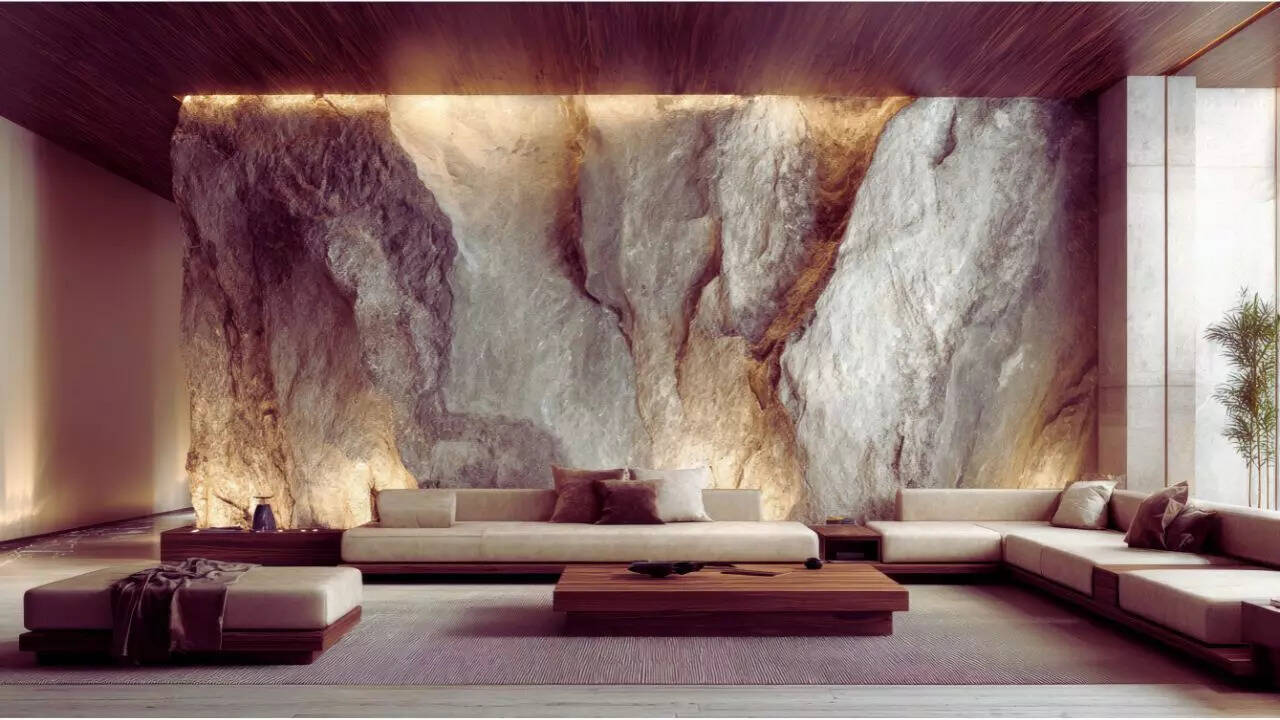
1. Experience-driven design vs. decorative designDesign in 2026 will transcend decoration-centric design. The focus would be on designing spaces that react to moods, routines, hobbies, and behaviours. Homes would be designed around your daily rituals, not by room labels. The living room can be a multipurpose space as a social zone, wellness zone, or workspace, depending on the time of day.The true meaning will hide behind how space makes you feel, not how it looks. Comfort, movement flow, acoustics, and sensory balance will guide layouts more than visual trends.2. Smart luxury will turn seamlessThe definition of luxury is changing. Rather than showy luxury, there is a focus towards quiet, smart luxury, where technology remains in the background. “Smart homes, with self-regulating lighting that adjusts for circadian rhythms, climate systems that learn individual preferences, and easy controls for homes, will be integral for luxurious settings. The crucial paradigm shift here is that technology will not drive design; instead, it will melt into it.
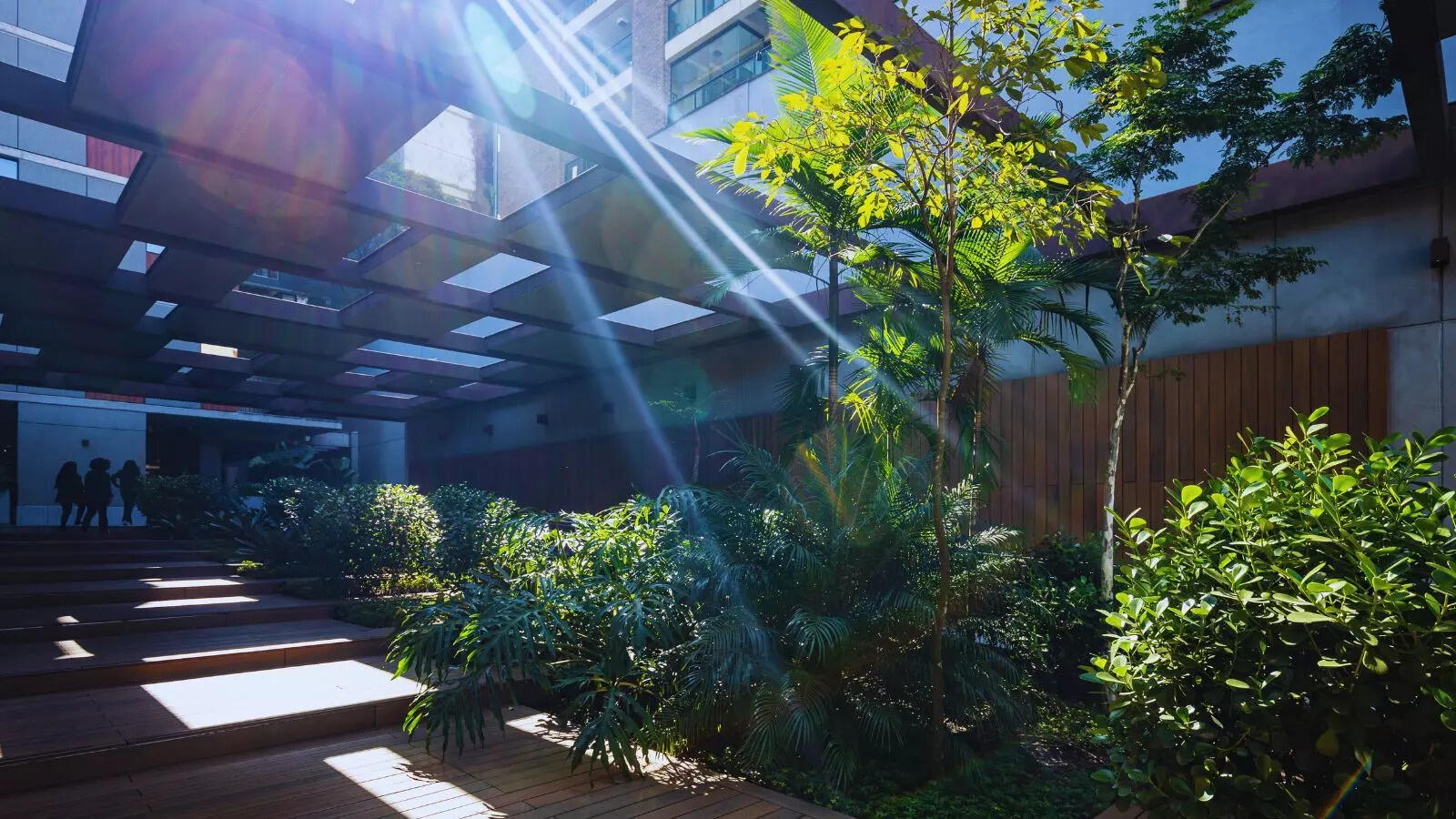
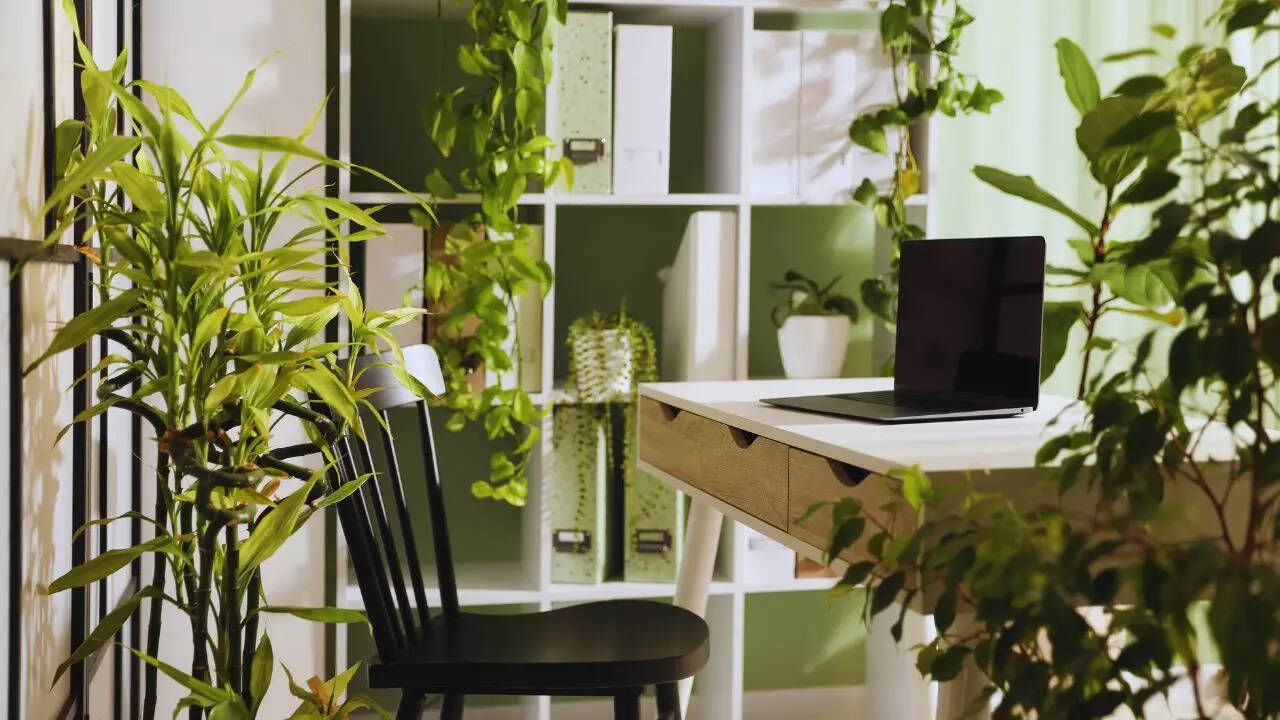
3. Biophilic design goes deeperNature-inspired design shifts from greenery to holistic biophilia. In 2026, there is expected to be an element of holistic biophilia, including filtered natural light, natural materials, natural textures, and indoor-outdoor space continuity. There is a reason why this is happening, and that reason is wellness. The reason why spaces that incorporate biophilic design principles have been shown to have positive outcomes: stress reduction, improved focus, and general wellness. 4. Sustainability with substanceSustainability becomes more than a ‘green’ brand. Consumers are more sensible and knowledgeable towards sustainable living and will demand accountable design decisions in the year 2026. This asks for durable materials, furniture designed to be repaired, waste-conscious production processes, and energy-efficient designs.
5. Personalization on a deeper levelIn 2026 it is expected that design will have more elements of personalization. It is expected that creative focus will be on individuality. The designs will be based on personal lifestyle information and furniture that is made to fit each person’s needs. Clients will want homes that clearly belong to them, with curated art, custom storage ideas, and interiors that show how they live, not just what’s popular right now.6. Spaces that can change and are ready for the futureFlexibility will be a dominant design trend this year. In 2026, homes will probably have modular design plans that include movable walls and furniture that can be used for more than one purpose. Design will look to the future and make sure that spaces can grow with families, careers, and life experiences without needing to be changed or redesigned all the time.7. Design as a way to make money and live wellDesign will be seen as a long-term investment, whether it’s for a house, a store, a villa, or a hotel. Good design makes things work better, adds value, strengthens brand identity, and makes life better. Design will be the main element of home in 2026 as it will not just be have an aesthetic value but will also be considered a spiritual necessity.