Delhi medical colleges skip anti-drug reports, RTI flags gaps in Nasha Mukt Drive | Delhi News
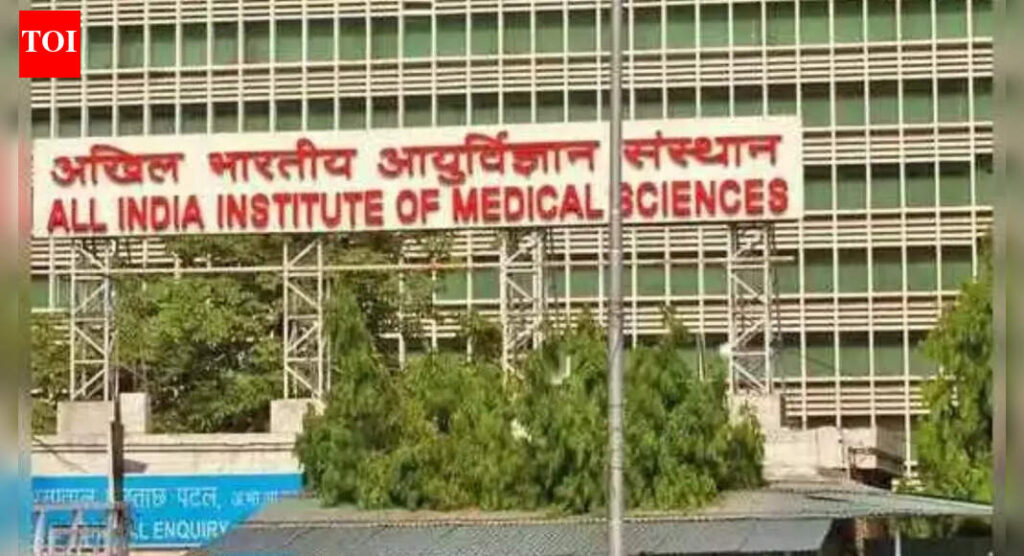
NEW DELHI: Delhi has emerged as the biggest gap in India’s flagship anti-drug campaign for medical colleges, with an RTI revealing that none of the capital’s 10 institutions submitted mandatory action-taken reports (ATRs) under the Nasha Mukt Bharat Abhiyan. Nationwide, only 49 medical colleges have filed compliance reports so far.The programme, launched in August 2024 by the Union ministries of social justice & empowerment and education, requires medical colleges to constitute Nasha Mukt Hostel Committees, conduct counselling and awareness activities, identify at-risk students, monitor hostels for early signs of substance use and submit quarterly reports to the regulator.According to the RTI response, none of Delhi’s leading institutions — including AIIMS, Ram Manohar Lohia Hospital, VMMC, Lady Hardinge Medical College, Maulana Azad Medical College, UCMS, BSA Medical College, NDMC Medical College, Army College of Medical Sciences and Jamia Hamdard — have submitted ATRs.Responding to the findings, the National Medical Commission (NMC) said the figures cited require verification. “The claim that 49 medical colleges have submitted ATRs while none of Delhi’s 10 colleges have done so is not available with the NMC at this stage and requires verification, given there are nearly 800 medical colleges in the country,” the Commission said.The NMC said it had issued an advisory on August 14, 2024, directing all medical colleges to implement anti-drug measures under the Nasha Mukt Bharat Abhiyan. “Several colleges have submitted their ATRs directly to the Department of Social Justice & Empowerment, as instructed,” it said, adding that follow-up action would be initiated after consolidated data is received. “The Anti-Ragging Cell has been asked to seek details and propose further action,” the Commission added.Officials at Ram Manohar Lohia Hospital acknowledged that while a committee had been constituted and activities initiated, “some SOP implementations are still underway”, and the ATR “was not sent to the NMC”. An AIIMS official said committee-related documents were shared with the NDDTC in Ghaziabad but not with the social justice ministry, as mandated.RTI activist Aman Kaushik, who sought the information, said the lack of reporting defeats the purpose of the campaign. “If colleges do not submit reports, there is no way to assess implementation or measure impact. Delhi’s complete non-compliance is deeply concerning,” he said.Nationally, the colleges that have submitted ATRs include institutions in Himachal Pradesh, Andhra Pradesh, Tamil Nadu, Karnataka, Gujarat, Kerala, Rajasthan, Assam, Punjab, Uttar Pradesh and West Bengal.Officials said medical colleges were prioritised under the campaign because hostel-based students face higher risks of substance use due to academic pressure, stress, peer influence and limited supervision. Without enforceable reporting, experts warned, the initiative risks remaining symbolic rather than effective.