Alexx O’Nell: ‘As a foreigner in Indian cinema, being easy to work with is often valued more than honesty’ – Exclusive |
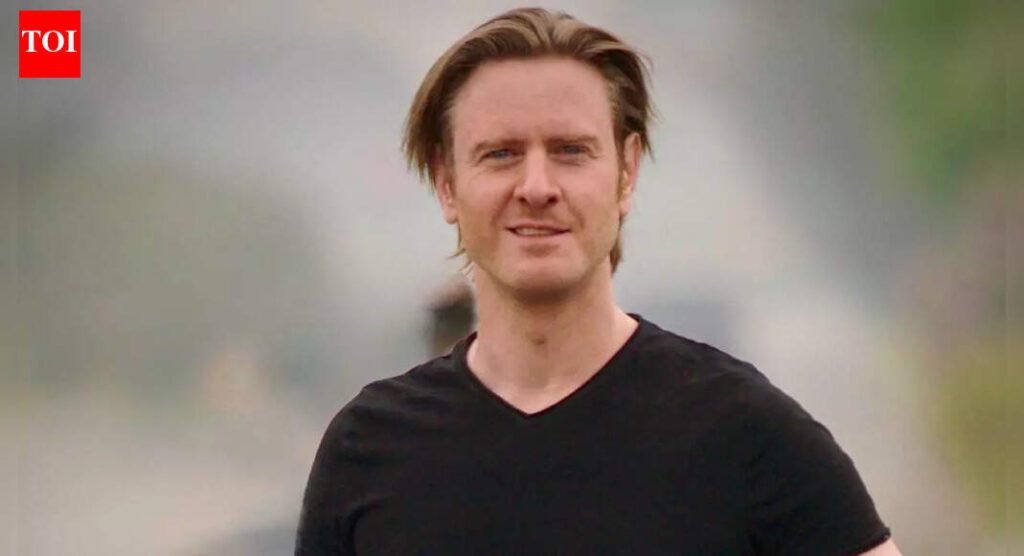

Bollywood often celebrates glamour, success, and box-office numbers, but behind the spotlight lie struggles that rarely make it into public conversations. In an exclusive interview with ETimes, Alexx O’Nell—an American-born actor and musician who has built a prolific, nearly two-decade-long career across Indian cinema in languages including Hindi, Bengali, Tamil, and Malayalam—speaks candidly about loneliness, judgment, silence, and the structural changes he believes can make the film industry healthier for the next generation.
What is one silent struggle in Bollywood that everyone faces, but almost no one talks about openly?
Loneliness.It sounds ironic in an industry full of people, noise, and constant collaboration—but it’s deeply real. You’re surrounded by crews, producers, co-actors, publicity teams… yet emotionally, many artists are completely on their own.For outsiders especially, that feeling is amplified. I’ve built my life in India, worked across industries and languages, and today I’m fortunate to be the most prolific non-Indian actor working here, with seven theatrical releases in 2025 alone across Malayalam, Hindi, English, and Bengali. But success doesn’t make loneliness magically disappear.There’s a quiet pressure to always look confident, busy, and “winning.” Nobody wants to admit how isolating uncertainty can feel when your career depends on forces you can’t control. Family and friends often don’t understand the industry—its stresses, slights, and injustices—but thankfully, I have a spectacular manager, Shreeda, who does. She often “talks me off the ledge,” reminding me that even in the chaos, I’m not alone. Honestly, everyone needs a Shreeda to keep them sane and grounded in this business.
At any point in your journey, did staying silent feel safer than speaking your truth?
Absolutely—many, many times.When you’re building a career, especially as a foreigner in Indian cinema, you quickly learn that being “easy to work with” is often valued more than being honest. Speaking up can feel risky—you worry it might label you as difficult, ungrateful, or replaceable.Early on, I swallowed a lot—confusion, cultural misunderstandings, even unfair treatment—because I thought survival depended on silence.It took years, and some stability, to realize that silence may protect your job in the short term, but not speaking up when it matters slowly erodes your self-respect. Finding your voice is scary, but losing it is worse. The real challenge is knowing when to speak, and having a strong manager or mentor to guide you—to help you do it respectfully and productively, without burning bridges—is invaluable.
How has constant judgment—box office numbers, social media, relevance—affected you emotionally?
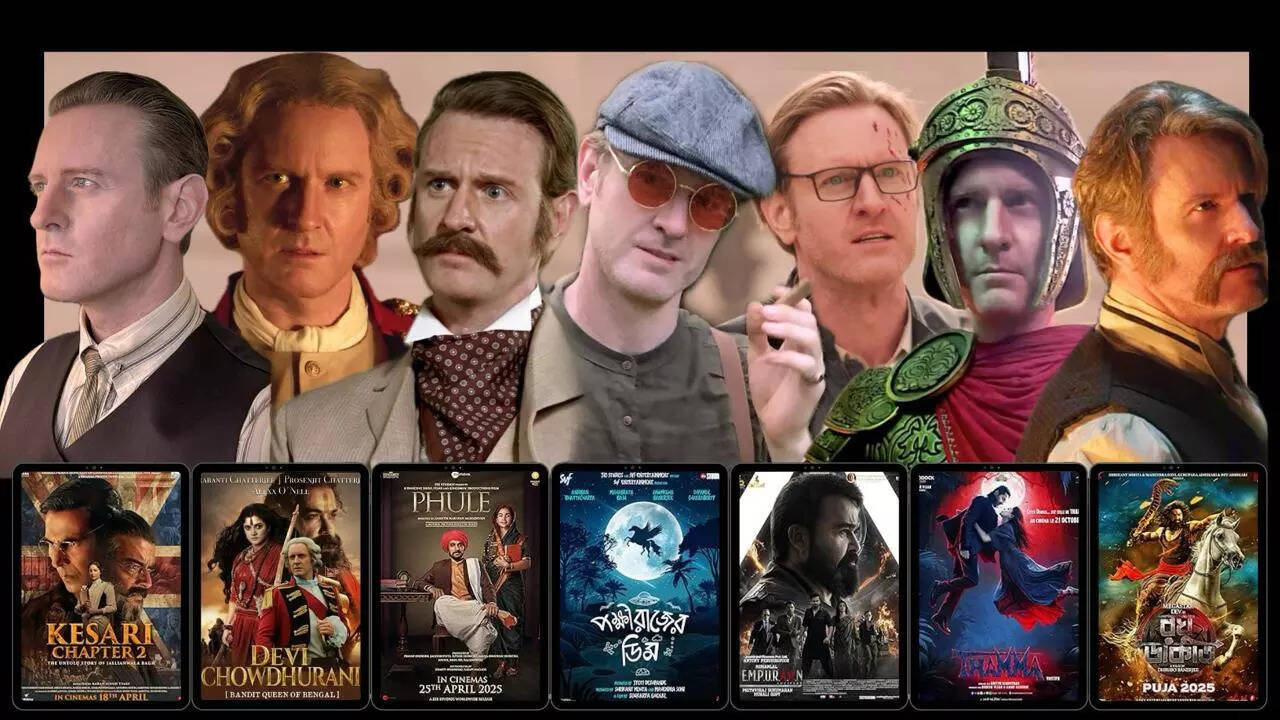
You feel it.We like to pretend numbers don’t matter, but they do. They quietly decide whether you’re considered “hot,” “finished,” or “bankable.” Add social media to that, and suddenly millions of strangers are reviewing not just your work, but your face, your accent, and your worth.Even now—after performing in English, Hindi, and this year in Bengali for the first time—there are days when I catch myself equating my success with reviews or box-office collections. I feel incredibly grateful that all my 2025 releases like Lucifer 2: Empuraan, Kesari Chapter 2, Phule, Pokkhirajer Dim, Raghu Dakat, Devi Chowdhurani, and Thamma have connected with audiences in a big way. But gratitude and pressure often coexist.Music saved me in many ways. Writing songs, being a musician, gave me a private space where I could fall in love with a melody before anyone else had an opinion about it—something pure that I was excited to share with the world. But even there, downloads, streams, and radio play quickly become another scoreboard, another way of measuring how “successful” your honesty was.Art isn’t meant to be a competition. Yet the pressure created by statistics never fully disappears. It’s a double-edged sword—they offer insight into who is listening and where the work is landing—but they can also distort your sense of self.In time, you learn to use the numbers without letting them define your journey, your idea of success, or your artistic worth.
What emotional support do you wish existed on film sets when you were starting out?
Mentorship.The film industry is completely different from how it looks from the outside. It’s long hours of waiting, sudden chaos, and months of preparation that can come down to a single take. Early on, I wish someone had simply guided me—and reassured me that the confusion was normal.When you’re new, especially coming from another country and working in multiple languages, you assume everyone else understands the rules, the politics, the unspoken expectations. So when you feel lost, you turn it inward and blame yourself.I would have loved a simple culture of mentorship on sets. Nothing formal or corporate—just senior actors or crew members taking five minutes to say, “This industry is strange for all of us. You’re not failing. You’re learning.”That kind of reassurance can change everything. It gives you the strength to keep going on the days you doubt your skill, your talent, your choices, or your place in the room.
If you could change just one thing to make Bollywood healthier for the next generation, what would that reform be?
I would reconnect cinema to theatre.Theatre is where humility, discipline, and emotional honesty are learned. It teaches you to respect the craft before chasing the camera. But today, theatre is treated like a hobby, not a foundation.If Bollywood genuinely invested in theatre—funding it, casting from it, respecting it—we’d solve several problems at once: entitlement would shrink, preparation would deepen, and opportunities would be earned through ability, not lineage.I come from a performance background, 10 years of theater, where you earn your place night after night in front of a live audience. That grounding helped me survive being an outsider in India, learning new languages, new cultures, and now working across Hindi, Malayalam, and Bengali cinema with seven theatrical releases in 2025. When actors grow through theatre, they arrive on set less fragile, less insecure, and more generous as collaborators.A healthier industry begins not in casting offices—but on small stages, with real people watching you breathe and fail and grow in real time.