Dog cataracts vs nuclear sclerosis: How to identify, treat, and protect your dog’s vision |
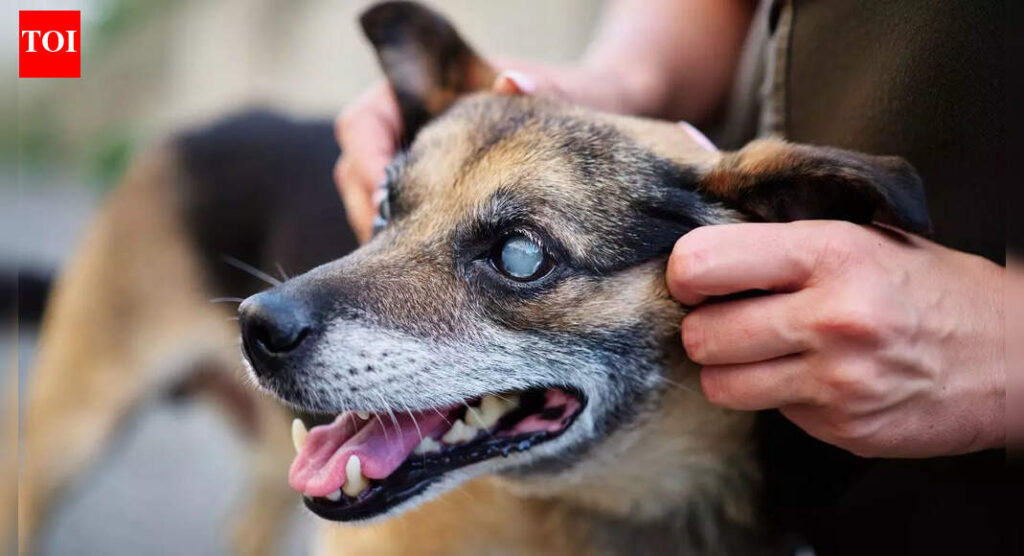
A dog’s eyes are also referred to as the windows to its soul. However, over the years, dog owners tend to observe cloudiness in their pets’ eyes, which is a source of great concern to dog owners. Two widespread factors that affect dog eyes, specifically the lens, include cataracts and nuclear sclerosis. Even though both tend to make dog eyes seem foggy, they tend to be two drastically different factors when it comes to their causes, impacts on dog vision, and treatments for such conditions.
Understanding dog cataracts and nuclear sclerosis in dogs : How to treat them
Cataracts result from the opacity of the dog’s eye lens as a result of changes. Cataracts can be caused by genetics, diabetes, trauma, inflammation, or the normal aging process. The dog will exhibit a white or gray patch in one or both of the eyes. This will be associated with a reduced ability to see. Even though cataracts are considered painless, complications arising from the condition, such as secondary glaucoma or inflammation, may result in discomfort or severe pain in the eyes. Cataracts may occur in dogs of any age, from puppies to adults.
Cataract surgery and nuclear sclerosis are two distinct processes. Nuclear sclerosis is a normal occurrence with advancing age, and cataract surgery, on the other hand, is a medical condition. Nuclear sclerosis does not cause blindness, nor does cataract surgery result in recovery of the eye. Although it may look so, nuclear sclerosis is not often associated with vision problems. Dogs can move comfortably within familiar and new areas. This clouding is normally symmetrical across the lens, and at times, it may seem almost clear under different lighting conditions. Nuclear sclerosis is quite common in dogs that are older than six to seven years and is part of the aging process.Treatment: The only treatment for cataracts is surgical removal of the cloudy lens, making it possible to regain sight. Modern veterinary ophthalmology has developed very effective methods with a great rate of success, although it can be quite costly, sometimes over $5,000.Treatment: No surgical nor medial procedure is needed. Periodic visits to the physician will ensure the health of the eye and check for any other possible ailments.
Key differences between cataracts and nuclear sclerosis
Understanding the key differences can help pet owners recognise which condition might be affecting their dog:
Cataracts can develop rapidly and affect vision, whereas nuclear sclerosis is a gradual change with little impact on sight.
How veterinarians diagnose these conditions
Typically, the veterinarian would examine the eyes of the dog using the ophthalmoscope. If the lens obscures the retina’s vision, then the presence of cataracts is suspected. However, if the retina is visible through the opacity, then nuclear sclerosis is suspected.A veterinary examination is especially needed if:
- The eye is red, sore, or squinting
- Cloudiness suddenly develops
- The dog, a diabetic, displays lens opacity.
- Fast vision changes happen
Early assessment of these patients can help avoid irreparable damage to the eye in addition to ensuring a successful vision restoration for dogs affected by cataracts.
Vision changes in dogs: Cataracts vs. nuclear sclerosis
Cataracts can impair sight in dogs, leading to hesitation in new surroundings, bumping into things, or acting frightened in new environments, while dogs with nuclear sclerosis adjust easily since their sight is not compromised. The sooner the diagnosis and treatment of cataracts, the greater the chances of maintaining vision. In nuclear sclerosis, regular care will ensure there are no complications in the eyes.
Prevention, monitoring, and treatment of cataracts and nuclear sclerosis
None can be guaranteed to prevent either cataracts or nuclear sclerosis. However, regular veterinary care and prompt attention to the eyes should be routine practices. In the case of a cataract, the only means to prevent the worsening of the problem is through surgical intervention. In the case of nuclear sclerosis, consistency in monitoring enables the pet owner to recognize changes and ensure that the dog can move through life easily. Both conditions address the significance of eye health to the well-being of the canine.