Turmeric, jaggery and black pepper for winter: A powerful trio for warmth, digestion and immunity |
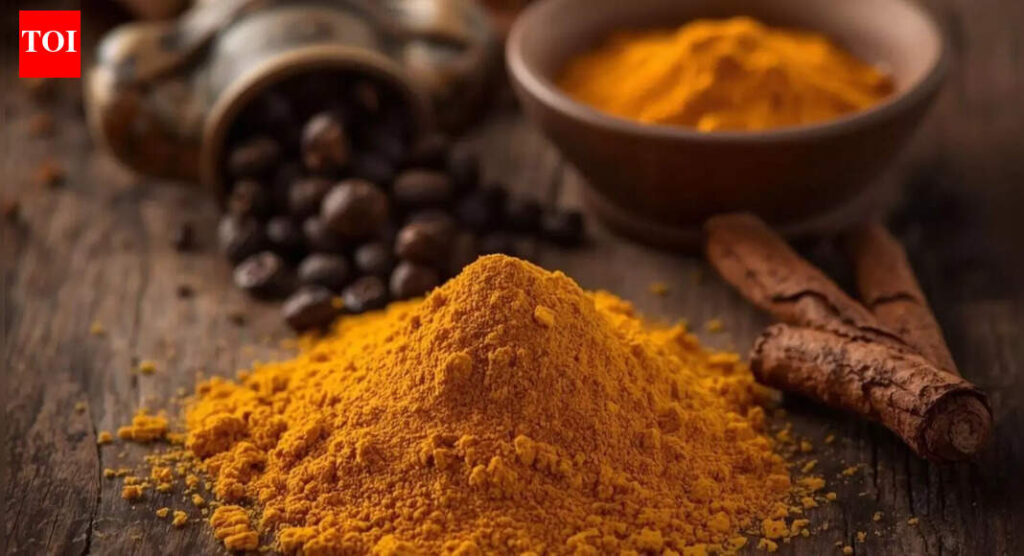

Winter changes how people eat without anyone announcing it. Meals get heavier, drinks get warmer, and the body starts asking for ingredients that feel steady and grounding instead of light and cold. In many homes, especially when mornings feel slow and evenings stretch longer, turmeric sits ready on the counter, jaggery waits in uneven brown chunks, and black pepper gets used more often than usual. None of these ingredients feels new, yet together they quietly shape how winter meals taste and how the body responds to them.Scientists have looked into this pairing, too. A peer-reviewed study by PMC observed that turmeric combined with black pepper can influence hunger and post-meal blood sugar in healthy adults, which matches what households have believed for years, even if no one said it out loud. Jaggery slips into the picture by melting into heat and bringing minerals that keep winter cups and bowls from feeling too sharp.
How turmeric, jaggery and black pepper support winter health
People don’t always use these ingredients because of hard facts. The habit exists because the trio simply matches winter’s needs. Turmeric colours food with warmth and eases the heaviness of big meals. Black pepper gives a kick that reminds the body to wake up when the cold air makes everything slower than usual. Jaggery balances both with a sweetness that sits comfortably in warm dishes instead of feeling sugary and loud.
Keeping you warm in winter with turmeric, jaggery and black pepper
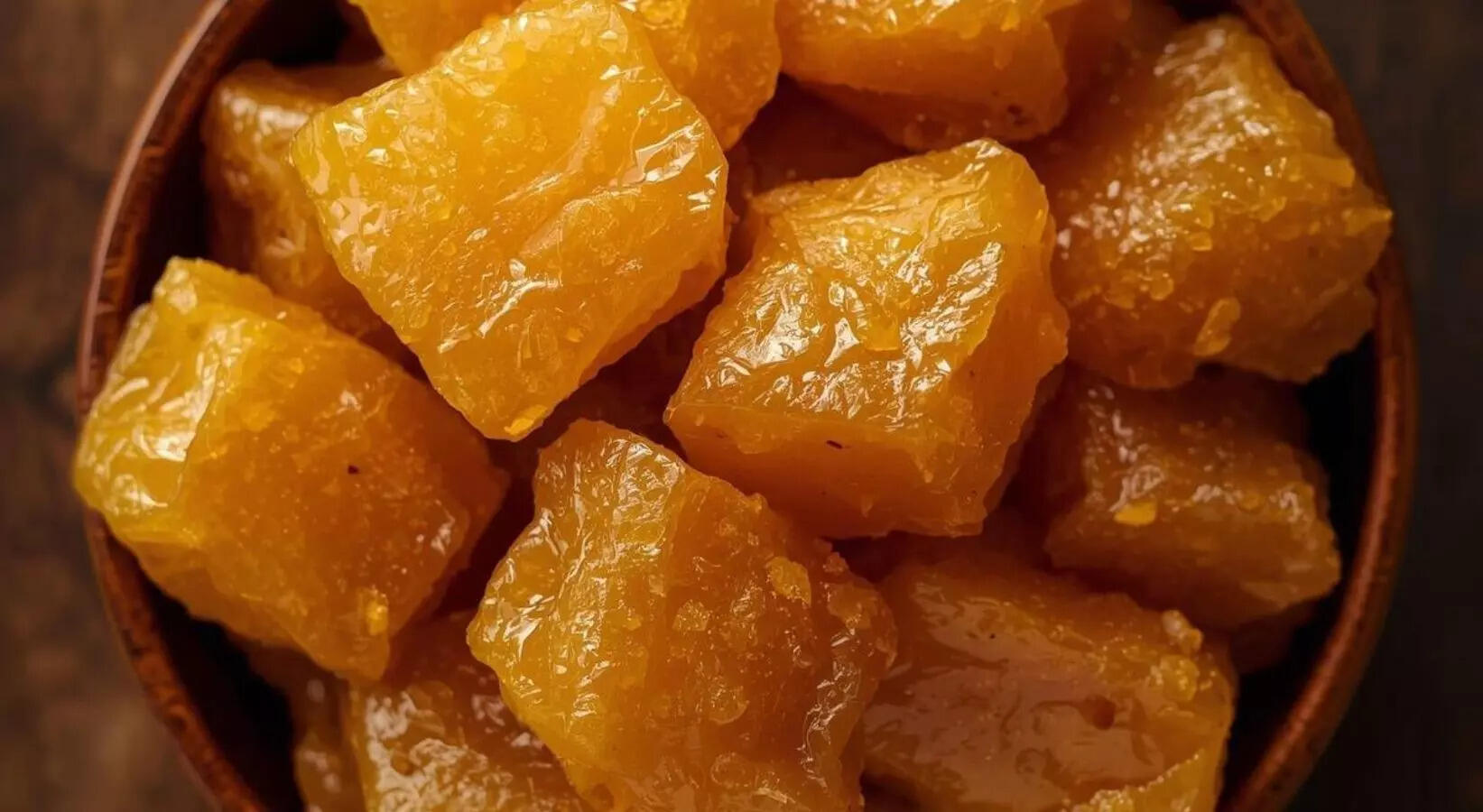
Turmeric gives slow warmth that lingers after eating, the kind that doesn’t burn but settles. Black pepper adds sharper heat, which works almost immediately, especially in soups or evening drinks. Jaggery softens that sharpness and creates a fuller warmth, the kind people naturally crave when nights are long, and blankets are always nearby.
Better winter digestion when meals use turmeric, jaggery and black pepper
Winter food leans towards rich and filling, so digestion needs support. Turmeric’s antioxidant properties help meals feel less heavy. Black pepper nudges digestion forward by encouraging the stomach to do its job without complaining. Jaggery rounds off flavours and is often taken in small pieces after meals because it helps everything settle rather than sit.
Winter immunity and the role of turmeric, jaggery and black pepper
Cold weather often brings sniffles and an occasional sore throat. Turmeric plays a quiet role in supporting immune balance, especially when used often in daily cooking. Black pepper improves turmeric’s effect and carries its own protective qualities. Jaggery brings trace minerals that help the body feel less drained when sunlight fades early.
Managing cravings in winter with turmeric, jaggery and black pepper drinks
Colder weather leads to more cravings and random snacking. Drinks made with this trio can help keep those urges calmer. Turmeric and pepper together influence how full the body feels after eating, and a little jaggery adds comfort without depending on refined sugar. This combination makes bowls and cups more satisfying, so hunger doesn’t shout as loudly between meals.
A winter drink recipe using turmeric, jaggery and black pepper

A simple nighttime cup
- Warm one cup of milk or water on low heat
- Stir in half a teaspoon of turmeric
- Add a small pinch of crushed black pepper and let it sit briefly
- Turn off the heat and melt jaggery into it
Drink slowly while it is warm. Many people prefer this after dinner, when the cold settles deep, and digestion needs a gentle push.The trio keeps coming back each winter because it fits the season without force. Turmeric brings warmth and balance, black pepper sharpens and supports digestion, and jaggery ties everything together with minerals and gentle sweetness. These ingredients don’t need fancy recipes or exact measurements. They just need warmth and a little attention.When winter stretches long, and energy feels uneven, this mixture works in the background, doing enough to make heavy meals feel lighter and cold nights feel less demanding.Disclaimer: This content is intended purely for informational use and is not a substitute for professional medical, nutritional or scientific advice. Always seek support from certified professionals for personalised recommendations.Also read| Greek yoghurt vs skyr vs hung curd vs curd: Which one has more protein, taste and nutrition