AI creativity hack that could skyrocket your child’s problem-solving powers |
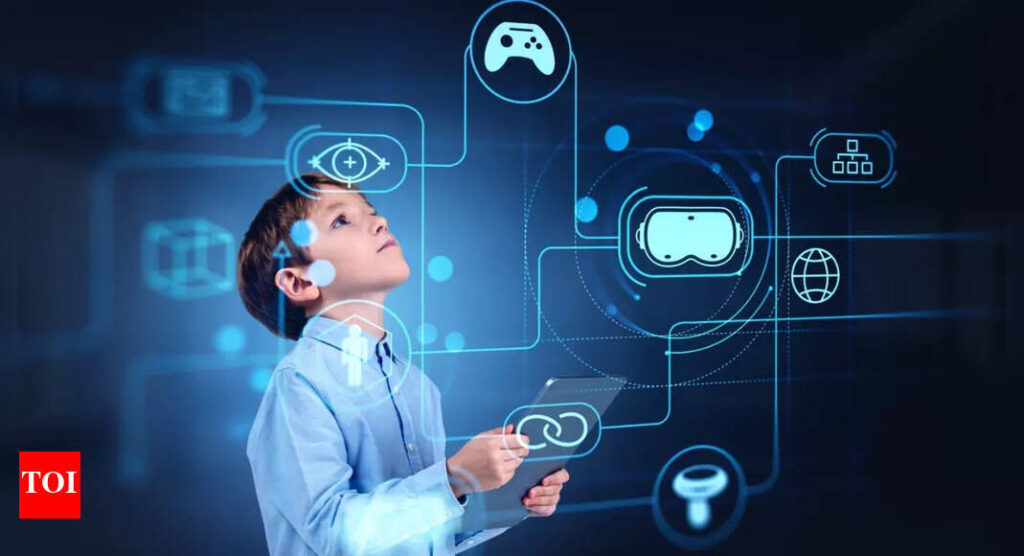

AI is not about replacing creativity but about changing how creativity works. As Artificial Intelligence (AI) revolutionises industries globally, its transformative power extends deeply into the realm of creative education, offering a new blueprint for how children learn and innovate.In an interview with the Times of India, Swadish SA, faculty at JD School of Design, articulated this shift clearly and said, “AI is no longer just a support tool, it is becoming a core collaborator that expands creative capacity.” Parents who want kids to flourish in design, art and creative tech jobs should treat AI literacy the way we once treated reading and math: an essential, taught and practiced skill.
Cultivating hybrid thinkers: Creativity meets technical fluency
Integrating AI tools in creative education fosters flexible thinking and prepares children for unpredictable future challenges. Swadish explained how AI offers “a spectrum of options rather than one answer,” encouraging learners to explore multiple pathways. A 2024 research from the Journal of Educational Technology supports this by demonstrating that children engaged in AI-assisted creative projects develop superior problem-solving skills and adaptability compared to peers in traditional learning environments.
AI important but human creativity still rules
Teaching prompt literacy: Communicating with AI as a new design language
Mastering how to instruct AI, known as prompt literacy, is becoming indispensable where properly articulated prompts yield outputs aligned with purposeful design. A 2023 study in Computers & Education found that children trained in effective prompt crafting achieve higher quality AI-assisted creative outcomes and better critical thinking skills. Parents can encourage early experimentation with age-appropriate AI interfaces that reinforce this vital skill.
Emphasising interdisciplinary learning
Swadish highlighted the importance of combining design fundamentals with coding, data visualisation and ethical AI considerations. A recent 2025 Nature Human Behaviour study notes that children exposed to interdisciplinary curricula including AI ethics display enhanced empathy and responsible tech use. Parents can support this by promoting STEM and humanities integration at home.
Balancing AI and human creativity
Importantly, AI extends but does not replace human creativity. According to Swadish, “Designers bring empathy, cultural understanding, and aesthetic judgment,” qualities that no algorithm can replicate. A 2022 study in Creativity Research Journal shows that hybrid human-AI collaboration results in more innovative and emotionally resonant outputs than either alone. Parents should nurture emotional intelligence alongside digital literacy for well-rounded growth.
Encouraging experimental prototyping and play
AI lowers the barriers for testing creative ideas. Children can digitally simulate and iterate imaginative projects rapidly, supporting both confidence and creativity. As per a 2023 educational research in Learning and Instruction, playful AI-driven prototyping activities significantly boost engagement and learning retention among children aged 8-14.
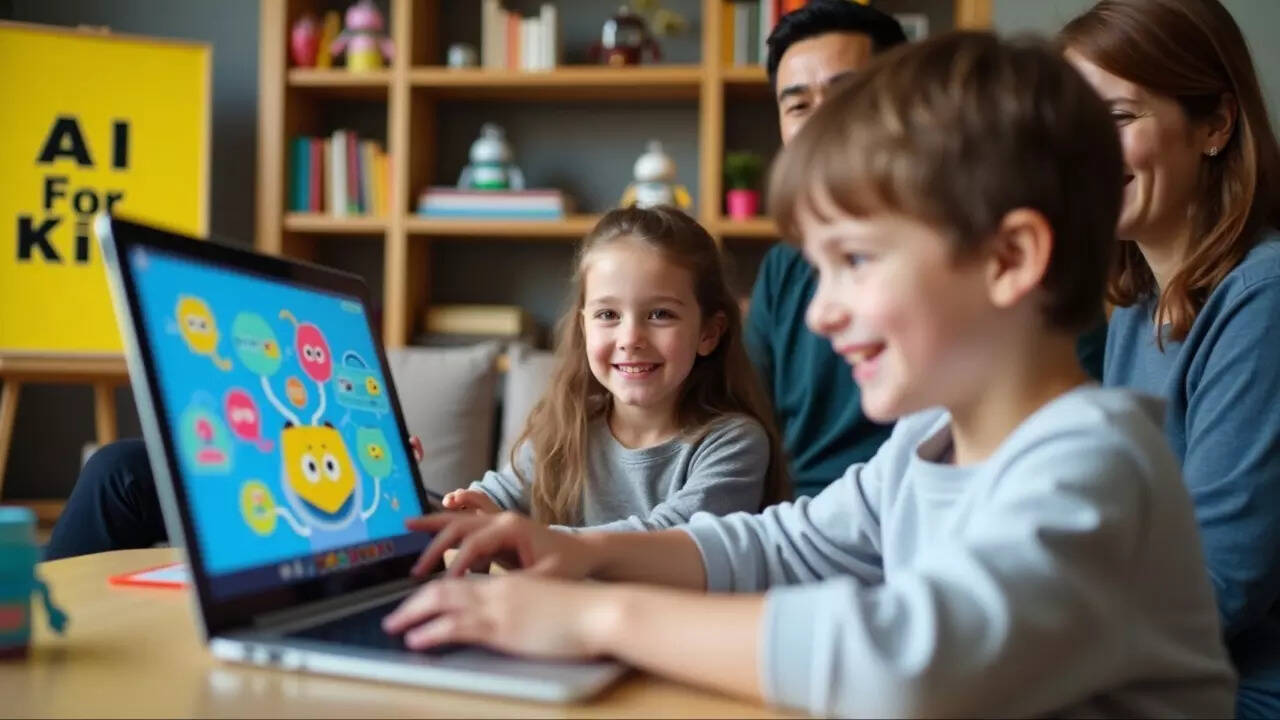
Raising Kids Who Can Outsmart AI: The New Parenting Rulebook for Creativity
Embracing AI’s role as a collaborative creative partner presents both opportunities and responsibilities. By fostering prompt literacy, interdisciplinary learning and balanced human-AI creativity, parents can raise resilient children who are poised to thrive at the intersection of art, science and technology. Swadish SA’s perspective and supported research reinforce that the design of future readiness begins with today’s nurturing spaces where technology empowers but human insight leads.The science is clear that AI can amplify creativity, personalisation and engagement but only when students are taught how to use it responsibly and critically. As Swadish SA concluded, the ideal graduate will be “comfortable with both human-centered creativity and machine intelligence.” Parents who couple curiosity, craft and critical habits with teacher-led AI experiences will give their kids the real advantage, which is the ability to steer the machine and not be steered by it.